


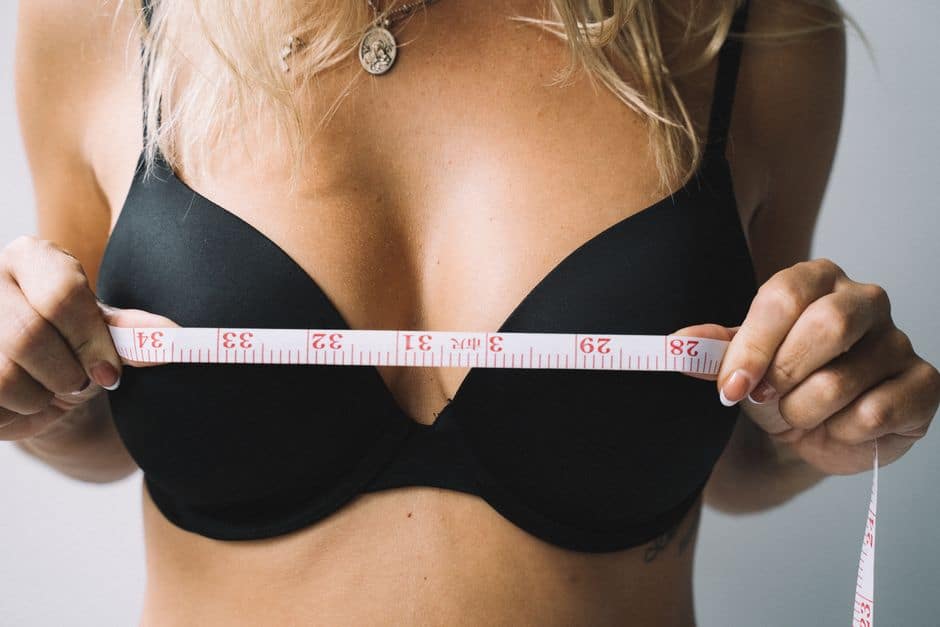
Breast augmentation changes breast volume and contour, but the appearance immediately after surgery is not the final outcome. Swelling, tightness, bruising, and implant position can change as the body heals. Understanding these changes helps you set realistic expectations, follow your recovery plan, and recognize when to contact your surgical team.
What to expect in the first few weeks
Immediate appearance versus settled breast augmentation results
You will notice a change in breast size soon after surgery, but the early shape may look different from what you expected. Initial breast augmentation results are affected by swelling, tissue tension, and your body’s response to surgery. Your starting anatomy, implant characteristics, and surgical technique also influence the appearance and your early breast augmentation results.
Why implants may look high or feel firm
After surgery, the skin and surrounding tissues need time to adjust to the added volume. Tightness in the chest can affect how the breasts sit, especially when implants are placed beneath the chest muscle. As swelling decreases and the tissues relax, the breasts often become softer and settle into a more natural-looking position.
This gradual change is sometimes called “dropping and fluffing,” although the timing and degree of change vary from person to person. Avoid judging breast augmentation results in the first few days as if they represent the final outcome. Your surgeon can explain what is typical for your procedure and when your progress should be reviewed.
A general recovery timeline
Recovery varies from person to person, so the following timeline is a guide rather than a guarantee. Follow the instructions provided by your surgical team, even if your experience differs from someone else’s.
The first few days
Soreness, pressure, swelling, and limited arm movement are common during the early recovery period. Plan to rest, arrange help with some daily tasks, and take medication only as directed. Your surgeon may recommend a surgical bra or another support garment, depending on the procedure.
Weeks one to four
During the first month, bruising and swelling often begin to improve, while tightness and differences between the breasts may remain. Your incision sites also need time to heal, so follow guidance about bathing, wound care, lifting, driving, and returning to work.
Months one to three
Over the next several weeks, the tissues may relax and the implants may settle. The breasts can become softer, and the shape may look more balanced as swelling decreases. This is one reason breast augmentation results are usually assessed over months rather than days.
Six months to one year
Many patients see a substantially settled appearance by around six months, although subtle changes can continue for a year or longer. The timeline depends on factors such as implant placement, tissue response, and incision healing. Your surgeon can give you a more personalized estimate based on your examination and recovery, rather than relying on a generic timeline for breast augmentation results.
At this stage, you may have a clearer view of your breast augmentation results. However, breasts continue to change naturally with age, pregnancy, weight fluctuations, and other life events.
Factors that influence your outcome
Implant size, type, and placement
Implant size and characteristics affect breast volume and contour, while placement can influence how the chest feels and how the implants settle. A larger implant may place more tension on the surrounding tissues, and placement beneath or above the muscle can lead to different early recovery experiences.
There is no single size or approach that is right for everyone. Discuss how your options relate to your anatomy, desired proportions, and lifestyle, and ask how each choice may influence your breast augmentation results. Your surgeon should explain the benefits, limitations, and risks of the recommended plan rather than promise a specific appearance.
Anatomy and skin elasticity
Your natural breast shape, chest width, tissue thickness, and skin elasticity all contribute to the outcome. Previous pregnancies, weight changes, and earlier breast procedures may also affect how the skin and tissues respond. This is why two patients who choose similar implants may have different results.
Comparing your recovery with someone else’s can be misleading. Another patient’s timeline or photographs cannot tell you whether your healing is progressing normally. Your surgeon can assess your anatomy and explain what changes are reasonable to expect.
Healing and aftercare
Smoking, certain health conditions, medications, and returning to strenuous activity too early may affect recovery. Follow your care plan for rest, incision care, medication, and activity restrictions. Ask your surgeon before adding supplements or changing a prescribed medication.
Careful aftercare cannot guarantee a particular appearance, but it can support healing and help reduce avoidable risks. Protecting breast augmentation results starts with allowing enough time for your body to recover and keeping scheduled appointments.

How to support your recovery
Attend follow-up visits even if you feel well. These appointments allow your surgeon to check your incisions, healing, and implant position, and to answer questions about changes in shape or sensation. They also provide an opportunity to discuss whether your breast augmentation results are progressing as expected.
Seek prompt medical advice if you develop fever, worsening pain, sudden or significant swelling, spreading redness, unusual drainage, or a breast that becomes hot or markedly different from the other. Severe symptoms or signs of an emergency require immediate medical attention.
Choosing a surgeon for breast implants
The planning and follow-up behind a procedure are just as important as the desired appearance. If you are researching breast implants in Tijuana, compare more than prices or before-and-after photographs. Review the surgeon’s qualifications, ask where the procedure will take place, understand how anesthesia and complications are managed, and confirm how postoperative appointments will work, especially if you will be traveling.
Clínica Renueva is a strong option to consider if you want to discuss breast augmentation with Dr. Robles, a certified plastic surgeon. His professional qualifications and experience give prospective patients important information to review when comparing surgeons. During a consultation, you can discuss your goals, learn about the recommended approach, and understand the expected recovery process.
Choosing a qualified surgeon matters because the right procedure depends on more than the size or shape you hope to achieve. Your anatomy, medical history, expectations, and recovery needs should all be considered before surgery. At Clínica Renueva, a consultation with Dr. Robles gives you an opportunity to discuss these factors and ask questions about the procedure, potential risks, and follow-up care before making a decision.
Maintaining your breast augmentation results over time
Breast implants are not lifetime devices, and natural changes in breast tissue can continue after recovery. Ask your surgeon what monitoring is recommended for your implant type and when you should schedule an evaluation. Replacement is not automatically required on a fixed timetable for every patient, but future assessment may be appropriate.
If you notice a significant change in shape, ongoing discomfort, or a possible implant complication, arrange a medical evaluation. Revision surgery may be an option in some cases, but it involves its own risks and should be discussed carefully with a qualified surgeon.
Breast augmentation results develop gradually, and the best way to understand your progress is to follow your personalized care plan, attend appointments, and raise concerns promptly. Give your body time to heal, rely on your surgical team for guidance, and judge the outcome in the context of your own anatomy and recovery, not someone else’s timeline.


