



Facelift myths continue to shape how many patients perceive cosmetic surgery, often creating unrealistic expectations or unnecessary concerns. Some believe facelifts are only for older people, while others assume results are permanent. Misconceptions like these can make the decision process more confusing than it needs to be. Access to accurate information helps patients approach facial rejuvenation with clarity and realistic goals.
What you should know about facelift procedures
Many facelift myths start with confusion about what the procedure actually involves. A facelift, medically known as a rhytidectomy, focuses on repositioning facial tissues, softening visible signs of aging, and restoring more defined, balanced contours rather than simply tightening the skin.
What is a facelift?
A modern facelift works on deeper facial structures to improve sagging, soften deep folds, and address the structural changes that develop over time. Because every face ages differently, surgical approaches vary depending on anatomy, skin quality, and individual aesthetic goals.
Types of facelifts
Different techniques are used depending on the level of correction needed:
- Traditional facelift: Often recommended for more advanced laxity in the lower face and neck.
- Mini facelift: A less invasive option designed for earlier signs of aging with smaller incisions and typically shorter recovery.
- Mid-facelift: Focuses on lifting and restoring volume in the cheeks and midface area.
- Non-surgical facelift: May include injectables or energy-based technologies that offer temporary lifting effects without surgery.
What happens during surgery
A facelift is usually performed under anesthesia. Incisions are discreetly placed around the hairline and ears, allowing the surgeon to reposition underlying tissues and refine excess skin while preserving natural facial movement and expression.
Who Is a good candidate for a facelift?
One of the most common facelift myths is that surgery is tied to a specific age range. In reality, candidacy depends more on skin laxity, facial structure, and overall health than on a number alone.
Age considerations
Although many patients pursue facelifts between their 40s and 70s, younger individuals with early tissue descent or strong genetic aging patterns may also be suitable candidates.
Health and skin type factors
Ideal candidates are in good general health, maintain realistic expectations, and have skin quality that can support surgical refinement. A thorough consultation helps determine whether a facelift aligns with long-term aesthetic goals.
Common facelift myths
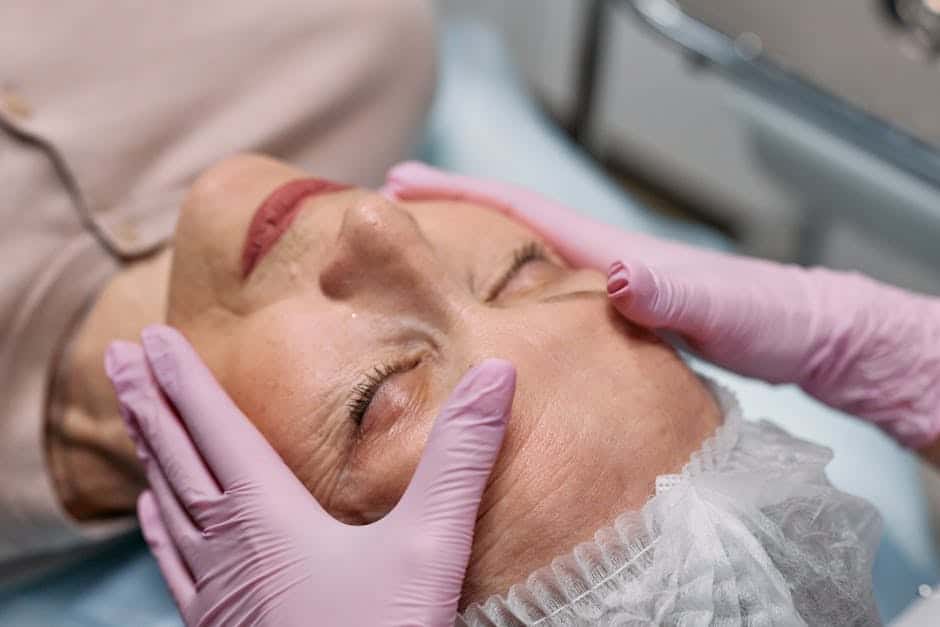
Even with the amount of information available today, many facelift myths continue to shape how patients perceive facial rejuvenation. Misconceptions about age, longevity, and results often create unrealistic expectations or unnecessary hesitation when considering surgery.
Myth 1: Facelifts are only for older adults
One of the most persistent facelift myths is that surgery is reserved exclusively for later stages of aging. While many patients seek treatment as skin laxity becomes more noticeable, age alone is not the deciding factor.
Why this myth persists
Facelifts have long been associated with celebrities or public figures who undergo procedures later in life. This perception can make younger patients assume they are either too early or not appropriate candidates.
What actually happens in practice
Many people in their 30s and 40s pursue surgical or early-intervention procedures to address subtle changes before they become more advanced. When performed at the right time, results often appear more natural and may require less extensive correction.
Myth 2: Facelifts provide permanent results
Another common misunderstanding is the idea that a facelift stops the aging process altogether.
The truth about aging after surgery
A facelift can significantly refresh facial contours, but natural aging continues. Skin quality, sun exposure, genetics, and lifestyle habits still influence how the face evolves over time.
Maintenance and follow-up procedures
Patients often maintain results with consistent skincare, healthy habits, and occasional non-surgical treatments. Periodic follow-up appointments allow surgeons to monitor long-term outcomes and recommend supportive care when needed.
Myth 3: Facelifts create an unnatural or “pulled” look
Many people hesitate because they fear an overly tight or artificial appearance.
Where this perception comes from
Older surgical techniques focused primarily on tightening the skin, which sometimes led to less natural results that shaped public opinion for years.
How modern techniques differ
Contemporary facelifts focus on repositioning deeper tissues rather than simply pulling the skin. This approach preserves facial expression and produces results that look refreshed rather than overcorrected.
Myth 4: A facelift only improves wrinkles
Some patients believe the procedure works exclusively on surface lines, overlooking the structural changes that occur with aging.
The broader impact of surgery
A facelift addresses tissue descent, jawline definition, and overall facial contour. While wrinkles may improve, the primary goal is restoring balance and support beneath the skin.
Complementary treatments
Because skin texture and fine lines involve different aging factors, surgeons may recommend additional treatments such as laser resurfacing or injectables to enhance overall rejuvenation.
Why facelift myths influence patient decisions
Facelift myths do more than spread confusion. They often shape how patients evaluate procedures, when they seek treatment, and what results they expect from surgery. Misconceptions can create hesitation or lead people toward choices that don’t align with their actual needs.
How misconceptions shape decisions
Inaccurate information can distort perceptions about recovery, candidacy, and outcomes. Some patients postpone consultations because they believe they are either too young or too late for surgery, while others pursue treatments that may not address the underlying concerns they want to correct.
Where misinformation comes from
Many patients rely on online discussions, social media, or secondhand experiences when researching facial rejuvenation. While shared experiences can be helpful, they often lack medical context and may reinforce outdated or misleading facelift myths that no longer reflect modern surgical techniques.
The effect on expectations and satisfaction
Unrealistic expectations remain one of the most common causes of post-procedure dissatisfaction. A clear understanding of what a facelift can realistically achieve allows patients to approach surgery with confidence and a balanced perspective. Open conversations with a qualified surgeon help align expectations with achievable, natural-looking results.
The importance of consulting with a qualified plastic surgeon
One of the most effective ways to move beyond common facelift myths is through a personalized consultation with a qualified plastic surgeon. Professional guidance helps clarify candidacy, expected results, and the surgical options that best align with each patient’s facial structure and long-term goals.
Finding a trusted expert
Research plays a major role in separating accurate medical information from common facelift myths. Credentials, specialized training in facial procedures, and consistent patient outcomes all contribute to a surgeon’s reliability. Just as important is communication, patients benefit from working with a specialist who provides honest recommendations and realistic expectations.
What to look for during your research
Online reviews and before-and-after galleries can offer helpful insights, but they should be evaluated alongside verified certifications and proven experience with modern facelift techniques. A transparent consultation process often reflects a surgeon’s commitment to patient education and long-term satisfaction.
Questions that support a productive consultation
Preparing thoughtful questions allows patients to approach consultations with confidence. Discussions may include surgical approaches, recovery expectations, potential risks, and how specific concerns will be addressed. These conversations also provide the opportunity to clarify lingering facelift myths and replace assumptions with medically accurate information.
A trusted option for facial rejuvenation in Tijuana
After addressing common facelift myths and preparing for a consultation, many patients begin exploring where to receive care. For those considering plastic surgery in Tijuana, choosing a setting that emphasizes patient safety, clear communication, and realistic treatment planning can make a significant difference in both experience and outcomes.
Clínica Renueva offers a personalized approach to facial rejuvenation focused on natural-looking results and individualized care. Dr. Robles, a board-certified specialist, works closely with patients to evaluate facial structure, aesthetic goals, and long-term expectations before recommending treatment. A thorough consultation allows patients to ask detailed questions, receive accurate medical guidance, and move forward with confidence after separating facts from common facelift myths.
The role of genetics and lifestyle in facelift outcomes
Surgical technique is only one part of the equation. Genetics, daily habits, and overall health significantly influence how long results last and how the face continues to age over time.
How health and habits influence outcomes
Skin condition, sun exposure, smoking history, and general wellness all contribute to healing quality and longevity of results. Patients who maintain healthy routines often experience smoother recovery and more durable improvements.
Supporting results over time
Post-operative care remains a key component of long-term satisfaction. Following professional recommendations, maintaining a consistent skincare routine, and considering complementary non-surgical treatments can help preserve facial balance and overall skin quality.
Moving forward with confidence after understanding facelift myths
Clear, accurate information empowers patients to approach facial rejuvenation decisions with realistic expectations and confidence. By recognizing how facelift myths shape perceptions, you can evaluate your options and focus on outcomes that align with your personal goals and anatomy. Thoughtful research, open communication during consultations, and guidance from experienced professionals all contribute to a more informed and positive experience. Taking the time to understand both the possibilities and limitations of a facelift allows you to move forward with clarity and a stronger sense of control over your aesthetic journey.


