


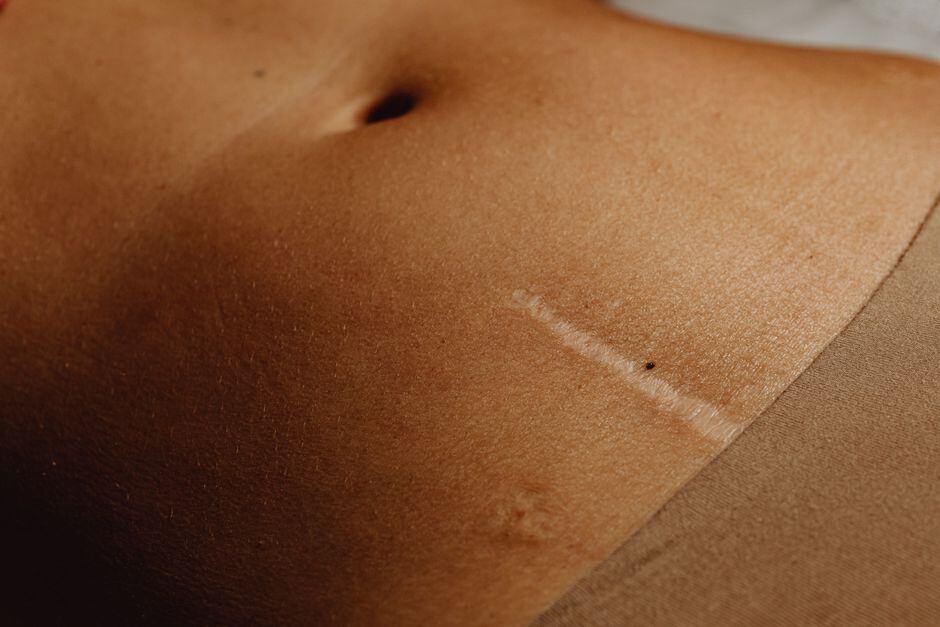
Scarring is a natural part of the healing process after surgery, but its final appearance can vary significantly from one person to another. The location of an incision, surgical technique, skin characteristics, genetics, and post-operative care can all influence how a scar develops over time.
Good plastic surgery scar care starts with understanding that scars do not reach their final appearance immediately. During the first weeks and months, an incision may look red, raised, firm, or darker than the surrounding skin. As healing progresses, scar tissue gradually remodels and often becomes softer, flatter, and less noticeable.
How surgical scars develop
A surgical scar forms as the body repairs an incision. The process generally involves inflammation, tissue formation, and remodeling. During the early stages, the body works to close and protect the wound. Later, collagen reorganizes as the scar gradually matures.
This remodeling process can continue for many months, which means patience is an important part of plastic surgery scar care. A scar that appears prominent shortly after surgery may look considerably different once it has had time to mature.
What can affect scar formation?
Several factors can influence how a surgical scar develops:
- Genetics and skin characteristics
- The location and length of the incision
- Tension placed on the healing skin
- Surgical technique
- Nutrition and hydration
- Sun exposure
- Smoking
- Post-operative care
These factors are important to consider when developing a plastic surgery scar care routine that supports the incision throughout the different stages of healing.

What different surgical scars can look like
Not all scars heal in the same way. Some remain relatively flat and gradually fade, while others may become thicker or more noticeable.
Hypertrophic scars are raised and remain within the boundaries of the original incision. They can become firm, itchy, or uncomfortable but may gradually flatten.
Keloid scars extend beyond the original wound and can continue growing after the incision has healed. People who have developed keloids before may have a higher risk of developing them again.
Atrophic scars appear sunken because there is less tissue beneath the skin. Although they are more commonly associated with conditions such as acne, changes in tissue can also affect the appearance of surgical scars.
Knowing what is typical for your procedure can make plastic surgery scar care easier and help you recognize when a change deserves professional attention.
Essential steps for better scar healing
Follow your post-operative instructions
Your surgeon’s instructions should be the foundation of your recovery. These recommendations may include how to clean the incision, when to shower, when to begin specific activities, and which products should or should not be applied to the healing area.
Avoid experimenting with scar treatments before the incision has completely closed. Applying products too early can irritate healing tissue or interfere with the recovery process.
Keep the incision clean
Gentle hygiene is an important part of plastic surgery scar care during the early recovery period. Clean the area according to your surgical team’s instructions and avoid rubbing, scratching, or exfoliating the incision.
Once the incision has healed, your surgeon may recommend specific products to help maintain the scar’s condition.
Consider silicone-based scar products
Silicone gels and silicone sheets are commonly used for scar management after the incision has healed sufficiently. They help maintain hydration at the scar surface and may improve the appearance of raised or thickened scars over time.
The timing and method of use should be discussed with your surgeon rather than determined solely by the product instructions.
Your surgeon can determine whether silicone is appropriate for your incision and explain how it should be incorporated into your plastic surgery scar care routine.
Protect healing scars from the sun
UV exposure can cause a healing scar to become darker and more noticeable. This is especially important during the first several months after surgery.
Once your surgeon confirms that the incision has healed enough for sunscreen, use broad-spectrum SPF 30 or higher and cover the area with clothing whenever practical.
Sun protection is one of the simplest ways to support plastic surgery scar care and protect the developing scar while it matures.
Can scar massage improve the appearance?
Scar massage may be recommended after the incision has completely healed. Gentle massage can help soften scar tissue and improve flexibility in some cases.
However, massage should never begin while an incision is still open, draining, or otherwise healing. Your surgical team can determine when massage is appropriate and explain the technique that best suits your recovery.

Lifestyle habits that support healing
Scar development is also influenced by your overall recovery. Your body needs adequate nutrients to produce collagen and repair tissue.
Focus on:
- Protein-rich foods
- Fruits and vegetables
- Vitamin C and zinc sources
- Adequate hydration
- Avoiding smoking
- Following activity restrictions
Maintaining healthy habits can complement plastic surgery scar care while supporting the body’s broader healing process.
When should you seek professional guidance?
Some redness, swelling, firmness, and sensitivity can be expected after surgery. However, symptoms that become increasingly severe should be evaluated.
Contact your surgical team if you experience:
- Increasing redness or warmth
- Worsening pain
- Significant swelling
- Fever
- Unusual drainage
- Separation of the incision
- A rapidly changing or expanding scar
Early evaluation can help identify complications and determine whether additional treatment is appropriate.
Professional options for difficult scars
Some scars remain raised, discolored, firm, or uneven despite appropriate home care. Depending on the type of scar and how far healing has progressed, a plastic surgeon or dermatologist may recommend additional treatments.
Potential options can include silicone therapy, steroid injections, laser treatments, microneedling, or other scar-management techniques. Not every treatment is appropriate for every scar, so professional evaluation is important before beginning treatment.
This is also why plastic surgery scar care should not be viewed as a single treatment. Effective scar management may change as the scar progresses through different stages of maturation.
The role of surgical technique in scar appearance
Scar care begins before you leave the operating room. The placement of an incision, how the tissues are handled, and the surgical technique used can all influence the eventual appearance of a scar.
For patients considering cosmetic surgery in Tijuana, this makes the selection of the surgical team an important part of the decision. At Clínica Renueva, procedures are planned around the patient’s anatomy and aesthetic goals, with attention to incision placement, surgical technique, and post-operative guidance.
This approach is particularly relevant for procedures such as tummy tuck, breast surgery, and other body-contouring procedures where incision placement can have a significant impact on the final appearance.
Give your scars time to mature
One of the most important aspects of plastic surgery scar care is allowing enough time for the scar to change. A scar can look significantly different at six weeks, six months, and one year after surgery.
Trying to judge the final result too early can create unnecessary concern. Instead, follow your surgeon’s recommendations, protect the area, maintain healthy habits, and attend scheduled follow-up appointments.
Clínica Renueva combines surgical planning with post-operative guidance so scar care becomes part of the overall recovery process rather than an afterthought. Understanding what to expect before surgery can also help patients make informed decisions about their procedure and recovery.
Consistency is essential because effective plastic surgery scar care is a gradual process rather than a one-time treatment.
A long-term approach to scar care
There is no single product or technique that guarantees an invisible surgical scar. The goal is to help the scar heal properly, mature naturally, and become as inconspicuous as possible.
Consistent plastic surgery scar care, professional follow-up, sun protection, healthy habits, and patience all contribute to the process. If a scar develops differently than expected, professional evaluation can help determine whether additional treatment may improve its appearance.
Whether you are researching breast surgery, tummy tuck, liposuction, or another procedure, understanding scar healing before surgery can help you approach recovery with realistic expectations and a clearer plan for protecting your results.


