The Ideal Care for Your Tummy Tuck Scar
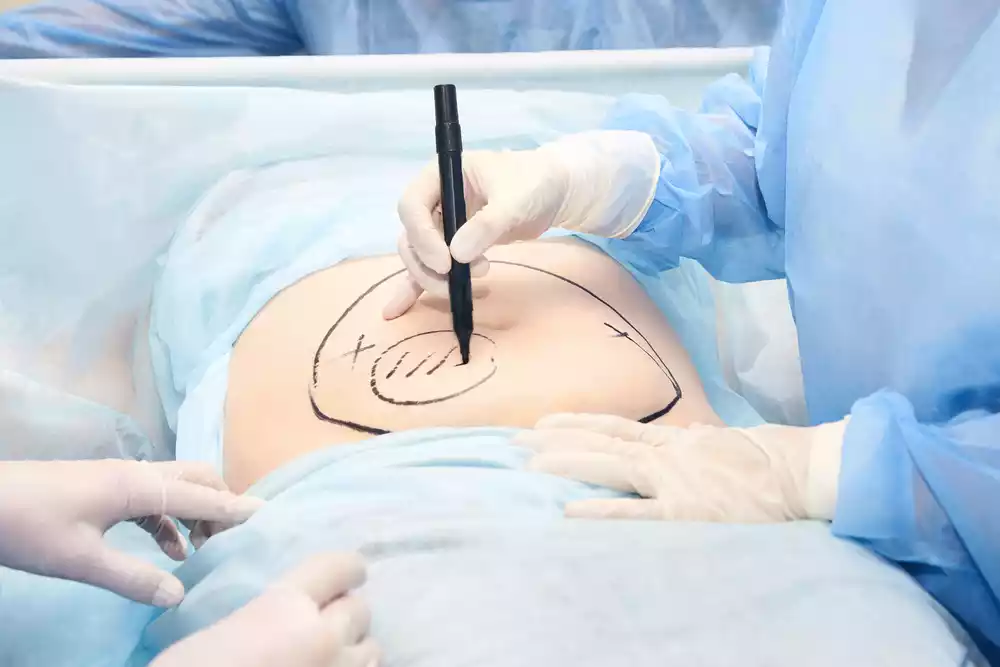
Are you looking for tips on how to care for your tummy tuck scar? Proper scar care is crucial for achieving optimal results after a tummy tuck procedure. In this article, we’ll discuss effective strategies to help minimize scarring and promote healing. Whether you’ve recently undergone a tummy tuck or are considering the procedure, understanding tummy tuck scar care is essential for a successful outcome. From skincare products to massage techniques, there are various ways to improve the appearance of your tummy tuck scar. With the right approach, you can enhance the healing process and reduce the visibility of the scar over time. Stay tuned as we explore the best practices for tummy tuck scar care and provide expert advice on achieving smooth and healthy-looking skin post-surgery. Understanding Tummy Tuck Scars When considering tummy tuck scar care, it’s crucial to comprehend the nature of tummy tuck scars. Tummy tucks, also known as abdominoplasty, involve creating incisions along the lower abdomen to remove excess skin and fat. This surgical procedure can result in a scar that typically extends horizontally between the hip bones. Tummy tuck scars vary in size and appearance depending on the individual’s healing process, skin type, and the surgical technique used. While scar care products can help improve the appearance of scars, it’s important to note that scars are a natural part of the body’s healing process and may fade over time. Understanding the development and treatment of tummy tuck scars is essential for achieving optimal results and healing. By knowing how tummy tuck scars form and how they evolve, individuals can better understand the significance of implementing effective scar care techniques to promote proper healing and minimize their visibility. Proper care and attention to tummy tuck scars can make a significant difference in the overall outcome of the procedure. Importance of Scar Care After a Tummy Tuck Tummy tuck scar care plays a crucial role in the overall healing process post-surgery. Proper scar care can significantly impact how scars form and fade over time, ultimately enhancing the appearance of the skin. Here are some key points highlighting the significance of scar care after a tummy tuck: Individuals undergoing a tummy tuck procedure are encouraged to prioritize scar care to achieve the best possible results. Understanding the importance of scar care and adhering to recommended protocols can significantly impact the healing process and the final appearance of scars. Skincare Products for Tummy Tuck Scar Care & Healing When it comes to tummy tuck scar care, choosing the right skincare products is crucial for promoting proper healing and minimizing the appearance of scars. Here are some essential products that can aid in the healing process. By incorporating these skincare products into your tummy tuck scar care routine, you can support the healing process and achieve optimal results in scar appearance. Remember to consult with your healthcare provider before using any new products to ensure they are suitable for your specific needs. Massage Techniques to Reduce Tummy Tuck Scar Visibility Incorporating massage techniques can significantly help in reducing scar visibility and promoting healing. Here are some effective tips to consider: By incorporating these massage techniques into your tummy tuck scar care routine, you can help minimize scar visibility and promote healthy skin regeneration. Expert Scar Care: Ensuring Optimal Results While undergoing a tummy tuck can transform your body, proper scar care is essential for achieving optimal results. At Clinica Renueva, we prioritize not only the surgical procedure but also comprehensive scar management to ensure a smooth, aesthetic outcome. Trust us to guide you through every step of your tummy tuck in Tijuana journey, from surgery to post-operative care. Schedule your consultation today at Clinica Renueva, where excellence meets personalized care, and take the first step towards a renewed, confident you with expert scar care.
Unlocking The Surprising Health Benefits of a Tummy Tuck
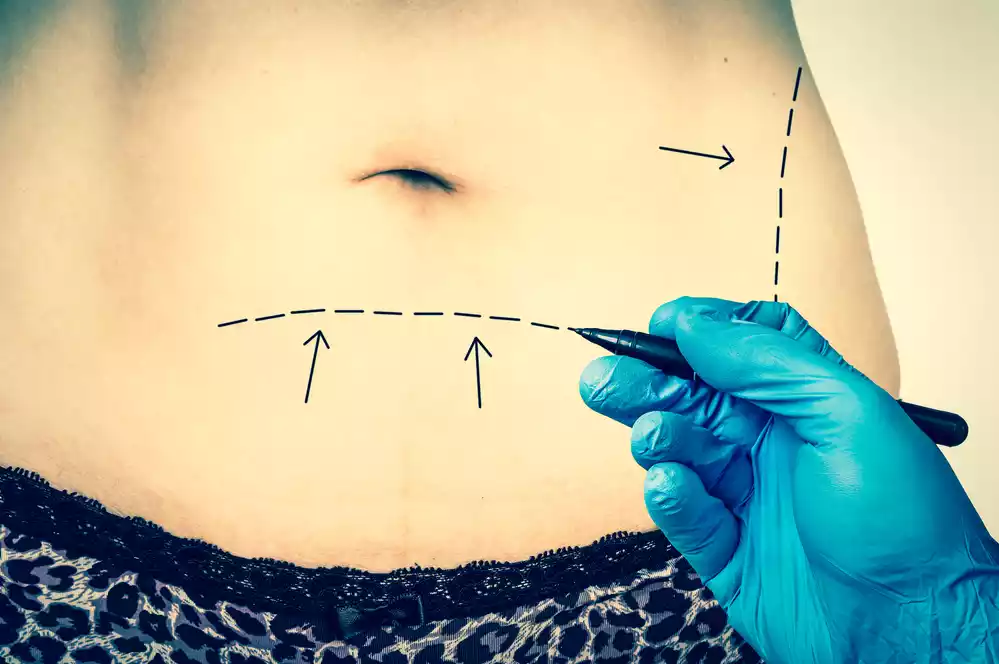
Are you struggling to get rid of that stubborn belly fat? Well, you’re not alone. Many of us have tried countless diets and exercise routines, only to be left feeling frustrated and defeated. But what if there was a solution that could not only give you a flatter tummy but also provide a range of health benefits? A tummy tuck can help you achieve a toned midsection and also offers several surprising health benefits. In this article, we’ll explore the tummy tuck health benefits and why it might be worth considering if you’re looking to enhance both your appearance and your health. So, let’s discover the incredible tummy tuck health benefits. What is a Tummy Tuck? An abdominoplasty is a surgical procedure that aims to reshape and contour the abdomen. It is commonly sought after by individuals who struggle with stubborn belly fat, loose skin, and weakened abdominal muscles. While the primary goal of this procedure is to achieve a toned midsection, it also offers several surprising tummy tuck health benefits. During this procedure, excess skin and fat are removed, and the abdominal muscles are tightened. The procedure can be customized to address specific concerns, such as stretch marks or hernias. This surgical intervention goes beyond cosmetic improvement and can have a positive impact on overall well-being. Let’s explore some of the tummy tuck health benefits. Flatter Tummy, Improved Confidence A procedure like this not only helps to reshape and contour the abdomen, but it also brings surprising tummy tuck health benefits. One of the most noticeable benefits is a flatter tummy, which contributes to improved self-confidence. When excess skin and fat are removed during the procedure, the midsection appears slimmer and more toned. Having a flatter tummy can significantly boost one’s confidence and self-esteem. It can make individuals feel more comfortable and confident in their clothing choices, allowing them to wear outfits they may have been hesitant to try before. With a more defined waistline and a tighter abdomen, individuals often experience a renewed sense of body positivity. The tummy tuck health benefits go beyond aesthetics. With tightened abdominal muscles, individuals may also notice an improvement in their posture. Stronger core muscles provide better support for the spine, reducing the strain on the back and promoting a more aligned posture. This can relieve discomfort and prevent postural issues that may arise from weak abdominal muscles. Reduced Back Pain and Improved Posture One of the lesser-known but significant tummy tuck health benefits is reduced back pain and improved posture. Many people struggle with chronic back pain, which can be caused by weakened abdominal muscles, excess skin, and poor posture. A tummy tuck can address these issues, resulting in relieving back pain and promoting better posture. During an abdominoplasty, the surgeon not only removes excess skin and fat but also tightens and repairs the abdominal muscles. This tightening of the abdominal muscles provides better support to the spine, reducing strain on the back muscles. As a result, many patients experience a noticeable decrease in back pain following the procedure. By removing the excess skin and fat that often weigh down the abdominal area, this procedure allows for a more upright posture. When the excess skin is eliminated, the abdomen becomes flatter and more toned, helping to pull the body’s center of gravity back towards its natural position. This naturally encourages a straighter spine, resulting in improved posture. Improved posture offers a range of benefits, including: Improved Urinary Incontinence One of the surprising tummy tuck health benefits is the potential improvement in urinary incontinence. This condition, characterized by the unintentional loss of urine, can be a source of embarrassment and discomfort for many individuals. However, research has shown that a tummy tuck can help alleviate symptoms and restore control over bladder function. During this procedure, the abdominal muscles are tightened and any excess skin and fat are removed. This tightening effect can provide support to the surrounding structures, including the bladder and pelvic floor muscles. By strengthening and tightening these muscles, this procedure can help reduce episodes of urinary incontinence. The underlying cause of urinary incontinence can vary, but common factors include weakened pelvic floor muscles and damage to the supportive structures in the abdominal area. An abdominoplasty addresses these issues by reinforcing the abdominal wall and improving the overall stability of the pelvic area. This can lead to a noticeable improvement in bladder control, allowing individuals to regain their confidence and freedom from the worries of leaks and accidents. Reduced Risk of Hernias One of the lesser-known tummy tuck health benefits is the reduced risk of hernias. A hernia occurs when an organ pushes through an opening in the muscle or tissue that holds it in place. It can lead to discomfort, pain, and potential complications if left untreated. The abdominal wall is a common area for hernias to develop, especially in individuals who have weakened or separated abdominal muscles. During a tummy tuck procedure, the surgeon not only removes excess skin and fat but also tightens the abdominal muscles. This muscle repair can significantly reduce the risk of developing hernias. By reinforcing the abdominal wall and restoring abdominal muscle strength, a tummy tuck provides added support and stability to the internal organs, minimizing the likelihood of a hernia forming. The tightening of the abdominal muscles during a tummy tuck also helps to address existing hernias, leading to their repair and prevention of further complications. By strengthening the weakened abdominal wall, an abdominoplasty can improve the overall integrity of the abdominal area, reducing the risk of hernias and promoting better long-term abdominal health. Ready to Transform Your Body with Clinica Renueva? Now that you’re aware of the tummy tuck health benefits, you’re poised to embark on this transformative journey. At Clinica Renueva, our expert team and certified plastic surgeon in Tijuana are dedicated to helping you achieve your aesthetic goals safely and effectively. Take the first step towards a renewed, confident you. Contact Clinica Renueva today to schedule your tummy
Ideal Candidates for Liposuction: Uncover If You Meet the Criteria
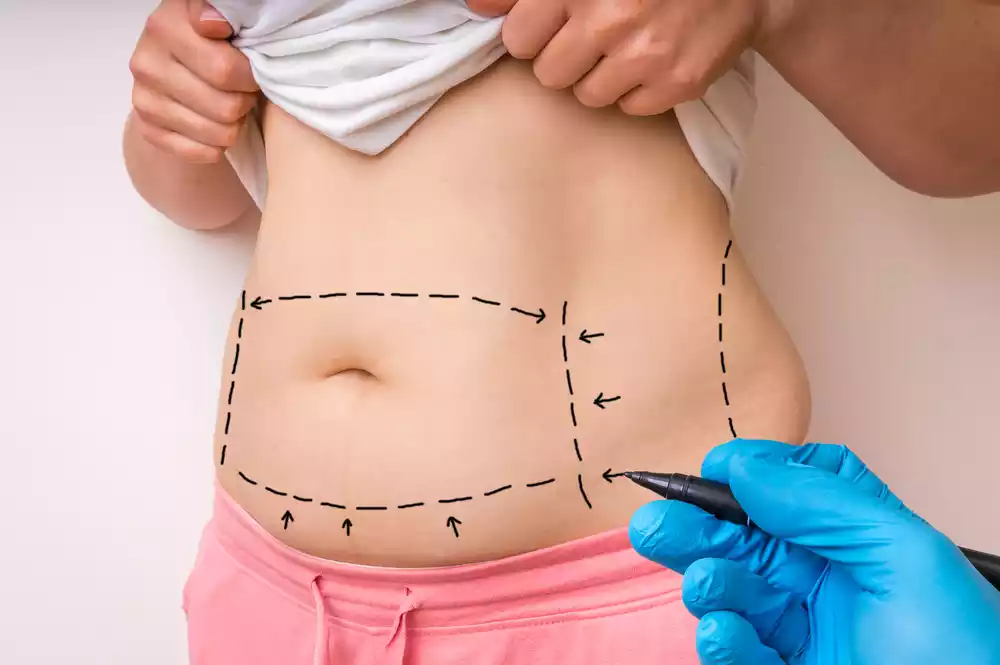
Are you considering liposuction to achieve your desired body shape? You’re not alone. Many individuals turn to liposuction as a solution to stubborn fat deposits that just won’t budge, despite their best efforts. But before you take the plunge, it’s important to understand if you are a suitable candidate for this procedure. In this article, we will delve into the essential factors that define the characteristics of ideal candidates for liposuction. From body mass index to overall health, we’ll cover everything you need to know to make an informed decision about whether liposuction is right for you. Factors that Determine Liposuction Candidates When it comes to considering liposuction as a solution for body contouring, it’s important to understand that not everyone is an ideal candidate. Liposuction is a surgical procedure that is designed to remove excess fat from specific areas of the body, resulting in a more sculpted and proportionate appearance. To determine liposuction candidates, several factors need to be taken into account. Body Mass Index (BMI) and Liposuction When considering liposuction candidates, one important factor to assess is their Body Mass Index (BMI). BMI is a measure of body fat based on an individual’s weight and height. It’s a useful tool to determine a person’s overall health and their suitability for liposuction. A good candidate for liposuction generally falls within a healthy BMI range. This is because liposuction is not intended as a weight loss method, but rather a body contouring procedure to address stubborn pockets of fat. Liposuction is most effective for individuals who are at or near their ideal weight. It helps to sculpt and shape specific areas of concern, such as the abdomen or love handles. When evaluating liposuction candidates, considering their BMI is an important factor. However, it should be assessed in conjunction with other aspects of their health and goals. Working closely with a qualified plastic surgeon is crucial to determine if liposuction is the right option for each individual. And remember, achieving and maintaining a healthy lifestyle is key to maximizing the benefits of liposuction. Liposuction and Age Considerations When considering liposuction candidates, age can be an important factor to take into account. While there isn’t a specific age limit for liposuction, it’s crucial to consider a person’s overall health and goals for the procedure. Age and overall health: Age alone is not a determining factor in whether someone is a good candidate for liposuction. However, as we get older, our bodies may have a harder time recovering from surgery, and some health conditions may become more prevalent. Before undergoing liposuction, it’s important to have a thorough discussion with a skilled plastic surgeon to assess the individual’s overall health status. Realistic expectations: Age can also influence a person’s expectations for the results of liposuction. It’s important to have realistic goals and understand that liposuction is not a substitute for weight loss or a solution for obesity. Liposuction is designed to address specific areas of concern where stubborn fat deposits persist despite efforts to diet and exercise. Specific areas of concern: As we age, certain areas of the body may become more resistant to fat loss, such as the belly. Belly liposuction is a popular procedure among liposuction candidates who struggle with excess fat in the abdominal region. Plastic surgeons can use advanced techniques to contour the belly area and create a more defined silhouette. The Importance of Having Realistic Expectations When considering this procedure and determining liposuction candidates, it’s crucial to have realistic expectations. While liposuction can provide significant improvements in body contour and reduce stubborn fat pockets, it is not a magical solution for weight loss. It’s important to understand that liposuction is not a substitute for a healthy diet and regular exercise. Having realistic expectations means understanding that liposuction is not a treatment for obesity or a solution for excessive weight gain. It is most effective for individuals who are near their ideal weight but have localized areas of stubborn fat that are resistant to diet and exercise. Liposuction can help to reshape these areas and create a more proportionate body contour. It’s also important to note that liposuction does not significantly tighten loose or excess skin. If you have sagging or loose skin, it may be more appropriate to consider a different procedure such as a tummy tuck (abdominoplasty) in conjunction with liposuction for optimal results. By having realistic expectations, you can avoid disappointment and ensure that you are satisfied with the outcomes of your liposuction procedure. It’s crucial to have an open and honest discussion with your plastic surgeon about your goals and expectations. They will be able to assess whether liposuction can achieve the desired results and provide guidance on alternative procedures if necessary. Are You an Ideal Candidate for Liposuction? Discovering whether you cover the requisites for ideal liposuction candidates is a crucial step in achieving the body you desire. As we’ve explored the key factors in this article, it’s evident that making informed decisions about your candidacy is essential for a successful outcome. Remember, the determination of being an ideal candidate for liposuction is a specialized assessment that only a skilled plastic surgeon can provide. Ready to embark on your liposuction in Tijuana journey? Consider Clinica Renueva as your trusted partner in achieving your body goals. With a team of experienced professionals and state-of-the-art facilities, Clinica Renueva is dedicated to providing high-quality care. Schedule a consultation today with our experienced plastic surgeon to take the first step towards becoming the best version of yourself. Your transformation awaits!
Preparing for a Breast Consultation: What You Need to Know

Welcome to our comprehensive guide on breast consultation. If you’re considering any type of breast procedure, whether it’s augmentation, reduction, or reconstruction, you’ve come to the right place. We understand that making decisions about your body can be overwhelming, and that’s why we’re here to provide you with all the information you need to make an informed choice. Understanding the Breast Consultation Process When considering a breast procedure such as a boob job or breast augmentation, it is crucial to start with a thorough breast consultation. This process plays a vital role in ensuring that you are making an informed decision and that you and your surgeon are on the same page regarding your goals and expectations. During a breast consultation at Clinica Renueva, you will have the opportunity to discuss your desires, concerns, and questions with a qualified surgeon. This initial meeting serves as a crucial step in understanding the possibilities and limitations of the procedure, as well as assessing whether it is the right option for you. Here’s what you can expect during a breast consultation: Types of Breast Procedures to Consider When it comes to breast consultation, it’s essential to have a clear understanding of the different types of procedures that you may consider. Whether you are looking to enhance, reduce, or reconstruct your breasts, there are options available to help you achieve your desired goals. Here are a few common breast procedures to consider during your consultation: It’s important to note that each individual’s goals and unique circumstances will determine the most suitable breast procedure. During your breast consultation, we will assess your specific needs and discuss the options that will best achieve your desired outcomes. We will carefully evaluate your medical history, physical health, and personal preferences to ensure a tailored approach for optimal results. Preparation for Your Breast Consultation When it comes to preparing for your breast consultation, there are a few key things to keep in mind. This is an important step in your journey towards achieving the look and feel that you desire. By being proactive and well-prepared, you can make the most out of your consultation and ensure that you are able to effectively communicate your goals and expectations to our surgeon. Here are some essential steps to take before your consultation: What to Expect During Your Breast Consultation During your breast consultation, our experienced surgeon will guide you through each step of the process, ensuring that you are well-informed and comfortable with your decision. Here’s what you can expect during your consultation: By the end of your consultation, you should have a clear understanding of your options, potential outcomes, and any necessary preparations for the procedure. Remember, a successful consultation is the first step towards achieving your desired results. Understanding Your Breast Consultation: A Journey to Confidence and Well-being After delving into the details of a breast consultation, you’re equipped with the knowledge to embark on this transformative journey. At Clinica Renueva, our dedicated team is ready to guide you with personalized solutions for plastic surgery in Tijuana. Take the next step toward a more confident you. Schedule your appointment at Clinica Renueva today and let us be a part of your journey to enhanced beauty and self-assurance.
Recovering from Surgery: Tips for a Smooth Journey
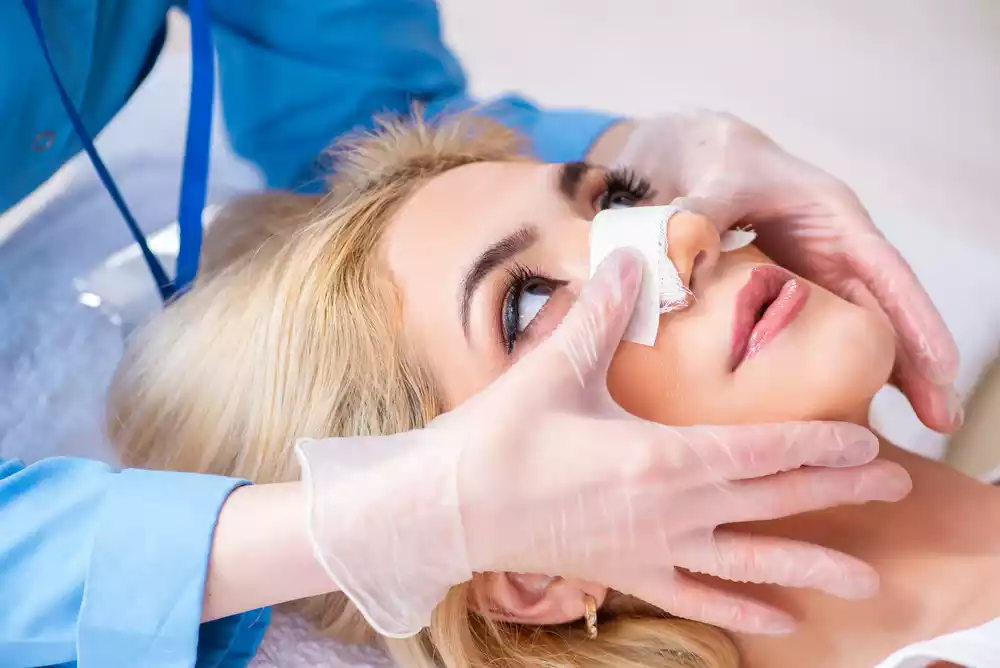
Recovering from surgery can be a challenging and often overwhelming experience. Whether it’s a major procedure or a minor operation, the healing process requires time, patience, and proper care. In order to ensure a smooth and successful recovery, it’s important to be well-prepared and informed about the best practices for post-surgical care. While recovering from surgery, make sure to follow the instructions provided by your healthcare team, as they are tailored to your specific needs. It’s crucial to take it easy and not push yourself too hard, as rest and relaxation are key to the healing process. Additionally, maintaining a healthy lifestyle and keeping a positive mindset can help promote a speedy recovery. Rest and Recovery: The Key to a Successful Outcome When it comes to recovering from surgery, rest and recovery are absolutely critical. Your body has undergone a major procedure, and it needs time and space to heal properly. Adequate rest is essential for the body to repair and regenerate tissues, reduce inflammation, and rebuild strength. Without sufficient rest, you may experience delayed healing, increased pain, and a higher risk of complications. Creating a Comfortable Recovery Environment Creating a comfortable recovery environment can greatly contribute to a smooth healing journey. Here are some tips to help you in recovering from surgery: Establishing a Restful Routine In addition to creating a comfortable environment, establishing a restful routine can support your recovery in recovering from surgery. Here are a few strategies to consider: Diet and Nutrition: Fueling Your Recovery Proper nutrition plays a vital role in the healing process after surgery in recovering from surgery. Providing your body with the right nutrients can help optimize healing, strengthen your immune system, and prevent nutrient deficiencies. Here’s how you can fuel your recovery through diet: The Importance of a Balanced Diet A balanced diet is essential for promoting healing and overall well-being in recovering from surgery. It should include a variety of nutrient-dense foods to provide the necessary vitamins, minerals, and antioxidants. Aim to consume a combination of: Practical Dietary Recommendations While it’s important to maintain a balanced diet, there are also some specific dietary recommendations that can support your recovery in recovering from surgery: Wound Care: Keeping Incisions Clean and Protected When it comes to recovering from surgery, proper wound care is crucial for a smooth journey. Taking care of your incisions not only promotes healing but also helps reduce the risk of infection. Here, I’ll outline some essential techniques to keep your incisions clean and protected. 1. Cleaning Regularly cleaning your incisions is vital to prevent infection. Begin by washing your hands thoroughly with soap and warm water. Gently clean around the incision site using a mild soap or the cleanser prescribed by your doctor. Be sure to pat the area dry with a clean towel instead of rubbing. 2. Dressing Changes The frequency of dressing changes will depend on your specific procedure and the recommendation of your healthcare provider. It’s essential to follow their instructions carefully. When changing your dressings, be sure to wash your hands beforehand and use sterile gloves if necessary. Remove the old dressing with caution, being mindful not to disturb any healing tissue or stitches. Clean the incision gently as described earlier and apply a new sterile dressing. If instructed, you may need to apply an antibiotic ointment before covering the incision with a clean bandage. 3. Signs of Infection While it’s normal for incisions to be tender and slightly red during the healing process, it’s essential to monitor them for signs of infection. Contact your healthcare provider if you experience any of the following: Increased redness, warmth, or swelling around the incision: These might indicate an infection.Drainage or pus: If you notice any unusual fluid coming from the incision, it could be a sign of infection.Increased pain or tenderness: While some discomfort is expected, a sudden increase in pain or tenderness may signal an issue. Recognizing and Preventing Complications Although complications after surgery are rare, it’s important to be vigilant and aware of potential risks in recovering from surgery. Here, I’ll provide some insights into recognizing and preventing complications to ensure a smooth recovery. 1. Red Flags and Warning Signs Knowing the warning signs of potential complications can help you seek prompt medical attention in recovering from surgery. Watch out for the following: Excessive bleeding: If your incision continues to bleed heavily or doesn’t stop with gentle pressure, contact your healthcare provider immediately.High fever: A persistent fever above 101°F (38.3°C) could indicate an infection or other complications.Difficulty breathing or chest pain: These symptoms can be signs of a serious complication and require immediate medical attention. 2. Reducing the Risk of Complications While complications can arise, there are steps you can take to reduce the risk: Follow your doctor’s instructions: Adhering to post-operative guidelines, including medication schedules and physical activity restrictions, is crucial.Maintain a healthy lifestyle: Eating a balanced diet, staying hydrated, getting enough rest, and avoiding smoking can promote faster healing and reduce the risk of complications.Attend follow-up appointments: Regularly seeing your healthcare provider for follow-up visits allows them to monitor your progress and address any concerns promptly. Your Smooth Recovery Journey Starts at Clinica Renueva While we’ve discussed tips for a smooth recovery journey in this blog, it’s essential to emphasize that when considering plastic surgery Tijuana, choosing the right clinic is paramount. At Clinica Renueva, we’re committed to providing not only top-tier surgical expertise but also unparalleled post-operative care in recovering from surgery. Your well-being is our priority, ensuring a safe and successful recovery. If you’re ready to take the next step towards enhancing your life through plastic surgery, don’t hesitate to reach out to Clinica Renueva. Our dedicated team is here to guide you on your transformative journey in recovering from surgery. Contact us today to discover how we can help you achieve the results you desire while ensuring a smooth and comfortable recovery. Your path to a more confident you begins with Clinica Renueva.
Anticipating Tummy Tuck Results: What You Can Count On
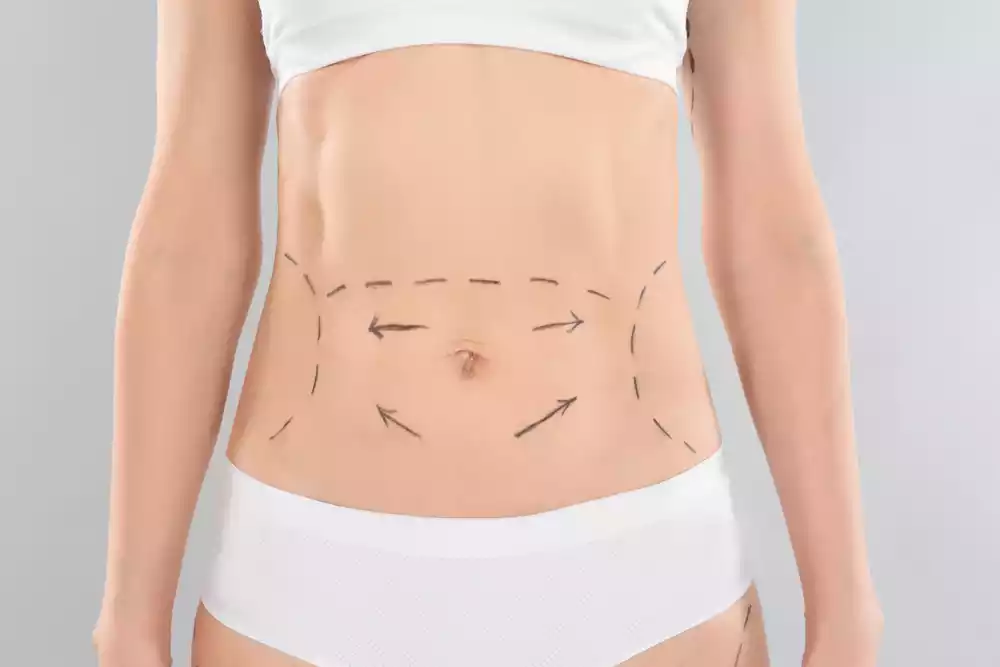
Have you ever wondered what your tummy tuck results will look like? If so, you’re not alone. Many people considering this popular cosmetic surgery have questions about the outcome. From the appearance of scars to the overall contour of the abdomen, there are several factors to consider when it comes to anticipating tummy tuck results. Anticipating tummy tuck results can be an exciting but also nerve-wracking process. While every individual is unique and results can vary, it’s important to have realistic expectations. In general, a tummy tuck can help to tighten the abdominal muscles, remove excess skin, and create a flatter and more toned stomach. However, it’s crucial to consult with a qualified plastic surgeon, like Dr. Fernando Robles, to assess your specific case and discuss the potential outcome of the procedure. Managing Expectations: Understanding the Healing Process When it comes to undergoing a tummy tuck, it’s important to manage your expectations and understand that the tumy tuck results are not instantaneous. The healing process takes time, and it’s crucial to have a realistic outlook on what to expect. Gradual Nature of Tummy Tuck Results After a tummy tuck procedure, it’s natural to be eager to see the final outcome. However, it’s important to remember that the tummy tuck results will gradually become more apparent over time. Initially, you may experience bruising and swelling, which can temporarily mask the true outcome. Did you know that it can take up to six months or even a year for the swelling to fully resolve and the final tummy tuck results to be seen? Patience is key during this period, as your body needs time to heal and adjust to the changes made during the surgery. Bruising and Swelling Following a tummy tuck, it’s normal to experience bruising and swelling in the abdominal area. This is a natural part of the healing process and should subside gradually over time. The extent of bruising and swelling can vary from person to person, but it’s important not to be alarmed by these temporary side effects. To help minimize bruising and swelling, your surgeon may recommend certain aftercare measures, such as wearing compression garments and avoiding strenuous activities. These steps can aid in reducing the duration and intensity of bruising and swelling, allowing you to heal more comfortably. The Timeline for Experiencing the Final Outcome While it’s difficult to predict an exact timeline for when you will experience the final outcome of your procedure, there are general milestones you can expect along the way. In the first few weeks, the initial bruising and swelling should start to subside, giving you a glimpse of your new shape. Over the next few months, you’ll notice continued improvement as the swelling gradually dissipates. By the six-month mark, you should begin to see a clearer picture of the final outcome, with less swelling and a more defined abdominal contour. It’s important to keep in mind that every individual heals at their own pace, and variations can occur. Therefore, it’s vital to stay in communication with your surgeon throughout the recovery process, sharing any concerns or questions you may have. Your Milestone Moments: Tracking Your Progress Throughout your tummy tuck journey, it can be incredibly motivating and empowering to track your progress. By documenting your journey and celebrating personal achievements, you’ll have a tangible way to see how far you’ve come and stay motivated along the way. Before-and-After Photos One of the most effective ways to track your progress is by taking before-and-after photos. Documenting your body’s transformation visually not only helps you stay accountable but also allows you to appreciate the changes that may be subtle or difficult to notice day by day. Tip: When taking your before-and-after photos, try to emulate the same lighting, angles, and distances to ensure consistent comparisons. It’s also helpful to wear the same clothing or swimsuit in each photo to accurately gauge your progress. Measuring Inches Lost In addition to visual documentation, tracking your tummy tuck results can also involve measuring the inches lost. This can be done by using a flexible measuring tape to measure the circumference of your waist and abdomen at regular intervals. Remember that tummy tuck results are more than just about the numbers. Improved self-confidence, clothing fitting better, and feeling more comfortable in your own skin are also significant indicators of successful progress. Celebrating Personal Achievements Don’t forget to celebrate your personal milestones along the way. Maybe you were able to wear a favorite dress that hadn’t fit in years or participate in an exercise routine that was previously challenging. These personal achievements are worth acknowledging and can serve as a source of motivation and inspiration. Keeping a journal or a progress log where you can jot down these achievements and reflect on your journey can provide a boost during the healing process. Scar Management: Minimizing and Concealing Scarring One of the concerns many individuals have when considering a tummy tuck is the potential for scarring. While it is important to note that scars are inevitable with any surgical procedure, there are techniques, creams, and treatments that can help minimize and conceal the scarring from a tummy tuck. 1. Techniques to Reduce Scarring During the tummy tuck procedure, your surgeon will strategically place incisions in areas that can be easily hidden by clothing or swimwear. This thoughtful approach is the first step in minimizing the visibility of scars. Additionally, suturing techniques that aim to minimize tension on the incision site can also help promote better healing and reduce scarring. Another technique used to minimize scarring is known as layered closure. This involves suturing the different layers of tissue individually, allowing for more precise healing. This method can help reduce the tension on the skin, resulting in a flatter, less noticeable scar. 2. Creams and Treatments for Scar Reduction In addition to surgical techniques, there are also various creams and treatments available to help reduce the appearance of scars after a tummy tuck. One commonly recommended option is silicone
Say ‘I Do’ to Botox Before Wedding: Here’s Why

Getting ready for your wedding day can involve a lot of planning and preparation, from choosing the perfect dress to selecting a venue. But have you ever considered saying “I Do” to Botox before your big day? Botox, a popular cosmetic treatment, is becoming increasingly popular among brides-to-be who want to look their best on their wedding day. So, why consider Botox before wedding? Botox before wedding can help smooth out wrinkles, reduce frown lines, and give you a more youthful appearance. It’s a non-invasive, quick procedure that can be done during your lunch break. Plus, the effects of Botox can last for several months, so you’ll still be enjoying the benefits on your honeymoon. Say goodbye to those worry lines and hello to a radiant, confident you on your special day! Banishing Wrinkles: Botox for a Smooth Complexion On your wedding day, you want to look and feel your absolute best. One thing that can sometimes hinder that is the presence of wrinkles and fine lines on your face. Fortunately, there’s a solution that can help you achieve a smooth, flawless complexion: Botox before wedding. Botox, derived from the neurotoxin botulinum toxin, is a popular cosmetic treatment that can effectively reduce the appearance of wrinkles and fine lines. By injecting small amounts of Botox into specific facial muscles, it temporarily paralyzes them, preventing the formation of wrinkles and smoothing existing lines. It’s a non-surgical, minimally invasive procedure that can provide noticeable results without the need for extensive downtime. The benefits of Botox before wedding day Choosing Botox as part of your pre-wedding beauty regimen can have several advantages. Firstly, it helps to target wrinkles that are caused by repetitive facial movements such as smiling, frowning, or squinting. Whether you have forehead lines, crow’s feet, or lines between your eyebrows, Botox can help smooth them out for a more youthful appearance. Another benefit of Botox before wedding is its ability to provide quick results. Unlike some other cosmetic treatments that require weeks or even months to see improvements, the effects of Botox can be seen within a few days. This makes it an ideal option for brides-to-be who are looking for immediate rejuvenation before their big day. Lift and Define: Botox for a Sculpted Jawline When it comes to looking your best on your wedding day, one area that often gets overlooked is the jawline. But did you know that Botox before wedding can actually help contour and define your jawline, giving your face a more symmetrical and sculpted appearance? It’s true! Let’s dive into how Botox before wedding can work its magic on your jawline. How does Botox contour the jawline? Botox works by temporarily relaxing the muscles it’s injected into. This is particularly beneficial for the jawline, as it can help reduce the appearance of a square jaw or a prominent masseter muscle. By injecting Botox into the masseter muscle, it weakens the muscle, resulting in a slimmer and more contoured jawline. What are the benefits of a sculpted jawline? A sculpted jawline can enhance your overall facial appearance and transform your profile. It can create a more youthful and elegant look, making your wedding photos truly stand out. Additionally, a well-defined jawline can help balance your facial features and provide a more harmonious aesthetic. Not only does a sculpted jawline look great on the wedding day, but it can also have long-lasting effects. The results from Botox injections typically last around three to four months, allowing you to enjoy your defined jawline even after the celebrations have ended. Plump and Pout: Botox for Beautiful Lips Imagine having perfectly plump and luscious lips on your wedding day. Well, with the help of Botox, that dream can become a reality. Botox before wedding can enhance your lip shape and volume, giving you a natural-looking and kissable pout that will leave your partner speechless. How does Botox enhance the lips? When it comes to lip enhancement, most people think of dermal fillers. However, Botox before wedding can also play a significant role in achieving those enviable lips. By injecting small amounts of Botox into the muscles around the mouth, it can relax the muscles, resulting in a subtle lift and fuller appearance. Why choose Botox for lip enhancement? There are several advantages to opting for Botox for lip enhancement rather than fillers. Firstly, Botox provides a more natural-looking result, as it doesn’t add any volume to the lips themselves. Instead, it enhances the shape and overall appearance. Secondly, Botox injections for lip enhancement are relatively quick and virtually painless. Most individuals experience minimal discomfort during the procedure and can resume their normal activities immediately after. It can be an ideal option for busy brides-to-be. Sweat No More: Botox for Hyperhidrosis When it comes to the big day, one thing that can put a damper on the festivities is excessive sweating. Whether it’s sweat stains on your dress or constantly feeling self-conscious about damp underarms, nobody wants to deal with that on their wedding day. That’s where Botox before wedding comes to the rescue! Botox before wedding is not just for smoothing out wrinkles; it has a surprising benefit for those who suffer from hyperhidrosis, a condition characterized by excessive sweating. By injecting Botox into the affected areas, such as the underarms, palms, or feet, it can effectively block the signals that trigger sweat production. This means you can stay cool, calm, and sweat-free on your special day. No More Sweat Stains on Your Dress One of the most stressful things for any bride is the fear of sweat stains ruining her wedding dress. With Botox before wedding, you can say goodbye to worrying about embarrassing marks under your arms. By targeting the sweat glands, Botox can reduce excessive sweating and prevent those unsightly stains from occurring. So go ahead and dance the night away without a worry! Stay Fresh and Confident Excessive sweating can not only be physically uncomfortable but also emotionally draining. It can make you feel self-conscious
Step-by-Step Guide to Wearing a Tummy Tuck Compression Garment

Are you considering a tummy tuck Tijuana procedure? If so, you may already be aware of the importance of wearing a tummy tuck compression garment during your recovery. This specialized garment plays a crucial role in supporting your healing process and achieving desired results. In this comprehensive guide, we will walk you through the step-by-step process of wearing a tummy tuck compression garment, ensuring you make the most of its benefits. Before diving into the details, it is essential to select the right tummy tuck compression garment for your needs. This involves finding a garment that fits you perfectly, providing the necessary support and compression. We will discuss different types of compression garments and offer tips on how to choose the ideal one. Selecting the Right Tummy Tuck Compression Garment: How to Find the Perfect Fit Choosing the correct tummy tuck compression garment is essential for a successful recovery and achieving the desired results. With so many options available, it’s important to understand how to find the perfect fit that caters to your unique needs and body type. First and foremost, consider the type of tummy tuck surgery you’ve undergone. Whether it’s a full tummy tuck or a mini tummy tuck, the tummy tuck compression garment should provide adequate support and compression to the targeted areas. Consult with your surgeon for his recommendation. Next, pay attention to the size and measurements of the compression garment. It’s crucial to accurately measure your waist, hips, and even thigh circumference to ensure a proper fit. Avoid guessing or assuming your size as an ill-fitting compression garment can hinder the recovery process. The fabric composition is another crucial aspect to consider. Look for high-quality, breathable materials that can provide ample support without causing discomfort or skin irritation. Soft and stretchable fabrics like nylon, spandex, or a blend of these materials often offer the best combination of comfort and compression. The design and construction of the tummy tuck compression garment play a significant role in its effectiveness. Look for features such as adjustable closures, reinforced panels, and targeted compression zones that can enhance the overall fit and support provided by the garment. Additionally, it’s important to consider your lifestyle and daily activities when selecting a tummy tuck compression garment. If you have an active routine or engage in exercises, opt for a garment that allows flexibility and freedom of movement without compromising on compression. Last but not least, reading customer reviews and seeking recommendations can assist you in making an informed decision. Real-life experiences and feedback can shed light on the durability, comfort, and overall effectiveness of different brands and models. By carefully considering these factors, you can confidently select the right tummy tuck compression garment that ensures a comfortable fit, optimal support, and aids a smooth recovery process. Preparing for Surgery: Understanding the Importance of Wearing a Compression Garment Preparing for surgery is an essential step in ensuring a successful outcome. One crucial aspect of preparation is understanding the importance of wearing a tummy tuck compression garment. A compression garment is a specially designed garment that provides support, compression, and stability to the abdominal area after surgery. It aids in reducing swelling, controlling fluid accumulation, and promoting proper healing. When preparing for surgery, consulting with your surgeon is essential to determine the appropriate type and size of compression garment suitable for your specific tummy tuck procedure. The compression garment you select should be made of high-quality, breathable fabric that is comfortable to wear for extended periods. It should have adjustable closures to allow for a personalized fit that accommodates changes in body shape as healing progresses. Wearing a compression garment post-tummy tuck surgery is vital as it helps reduce post-operative swelling and inflammation. It promotes better blood circulation, enhances tissue adherence, and improves skin retraction. These factors contribute to a smoother and better-contoured abdominal area. The tummy tuck compression garment should fit snugly without being too tight or constrictive. This ensures optimal compression without causing discomfort or interfering with the healing process. It is crucial to adhere to your healthcare provider’s recommendations regarding wearing the garment consistently for the prescribed duration. By understanding the importance of wearing a tummy tuck compression garment during the preparation and recovery stages of your tummy tuck surgery, you are taking proactive steps to optimize your results and improve your overall experience. Step 1: Putting On Your Tummy Tuck Compression Garment for the First Time Once you’ve undergone a tummy tuck procedure, it is crucial to properly wear a compression garment to support your healing process. Putting on your tummy tuck compression garment for the first time can feel overwhelming, but with a few simple steps, you can ensure a comfortable and effective fit. The first step in putting on your tummy tuck compression garment is to carefully read the instructions provided by your surgeon or garment manufacturer. These instructions will guide you on the correct way to put it on and any specific considerations you should keep in mind. Before wearing the compression garment, ensure that your abdominal area is clean and dry. It is advisable to gently cleanse the incision area with mild soap and water, then pat it dry with a clean towel. This step helps minimize the risk of infection and promotes proper healing. Next, carefully step into the compression garment, starting from your feet or legs. Slowly pull it up over your abdomen, avoiding any excessive stretching or pulling. Take your time to ensure it is positioned correctly and comfortably without causing any discomfort or restriction. As you pull the garment up, ensure that it covers the entire abdominal area and extends to the desired coverage specified by your surgeon. The compression garment should fit snugly but not excessively tight. It should provide gentle pressure and support to the surgical area without compromising your comfort. Once the compression garment is in place, inspect it for any wrinkles or folds. Smooth out any creases to ensure an even distribution of compression across your abdomen.
Steps to Identify Board Certified Plastic Surgeons in Tijuana Mexico

If you’re considering getting plastic surgery in Tijuana, it’s crucial to ensure that you look for board certified plastic surgeons in Tijuana Mexico. With the increasing popularity of medical tourism, it’s essential to take the necessary steps to verify the credentials and expertise of the surgeon before undergoing any procedures. One way to identify board certified plastic surgeons in Tijuana, Mexico, is by checking the credentials and certifications of the surgeon. Look for surgeons who are certified by reputable organizations, such as the Mexican Association of Plastic, Aesthetic, and Reconstructive Surgery (AMCPER) or the Mexican Board of Plastic Surgery. Additionally, consider reviews and testimonials from previous patients to gain further insights into the surgeon’s skills and patient satisfaction rates. Understanding Board Certification in Plastic Surgery When it comes to selecting a plastic surgeon in Tijuana, Mexico, it is crucial to understand the significance of board certification. In order to become board certified in plastic surgery, surgeons must undergo rigorous training, education, and examinations to ensure that they possess the necessary skills and knowledge to perform cosmetic and reconstructive procedures safely and effectively. The Requirements for Board Certification Board certification is not something that is easily attained. Board Certified Plastic Surgeons in Tijuana Mexico, must complete a minimum of six years of surgical training, with at least three of those years focused specifically on plastic surgery. After completing their residency, aspiring plastic surgeons must then pass a comprehensive written examination, followed by an oral examination conducted by a panel of expert surgeons. These examinations evaluate the surgeon’s knowledge, judgment, and technical skills. But the journey to becoming Board Certified Plastic Surgeons in Tijuana Mexico doesn’t end there. Board Certified Plastic Surgeons in Tijuana Mexico must also demonstrate their commitment to ongoing education and professional development by participating in continuing medical education courses and staying up to date with the latest advancements in the field of plastic surgery. Researching the Surgeon’s Background and Credentials Once you understand the importance of finding Board Certified Plastic Surgeons in Tijuana Mexico, it is essential to research the background and credentials of the plastic surgeon you are considering. Doing so will help you make an informed decision and ensure that you entrust your aesthetic or reconstructive goals to a skilled and qualified professional. Evaluating the Surgeon’s Training and Education Start by looking into the surgeon’s training and education. Find out where they completed their medical degree, residency, and any specialized fellowship programs. Investigate whether they have received training from reputable institutions known for their excellence in plastic surgery education. Reviewing the Surgeon’s Experience and Specialties Next, examine the surgeon’s experience and specialties. Look for indications that they have performed the specific procedure you are considering numerous times, as this demonstrates their expertise in that particular area. Furthermore, verify whether they have any subspecialties within plastic surgery, such as facial plastic surgery or breast reconstruction, which could be highly relevant to your needs. Verifying the Surgeon’s Certifications and Memberships Lastly, verify the surgeon’s certifications and memberships. Ensure that they are board Certified Plastic Surgeons in Tijuana Mexico, and check if they are affiliated with any prestigious professional organizations or associations related to plastic surgery. These affiliations can provide further reassurance of the surgeon’s commitment to high standards and ethical practices. Checking for Affiliations with Accredited Institutions When it comes to identifying board certified plastic surgeons in Tijuana Mexico, one of the key steps is to check if they are affiliated with reputable hospitals or professional organizations. This affiliation is a strong indication of the surgeon’s dedication to maintaining high standards and staying up to date with the latest advancements in the field. The Importance of Hospital Affiliations Board certified plastic surgeons in Tijuana Mexico, who are affiliated with well-known hospitals demonstrate a level of expertise and credibility. These hospitals have rigorous standards for admitting and credentialing board certified plastic surgeons in Tijuana Mexico, ensuring that only highly skilled professionals are granted privileges. By choosing a plastic surgeon with a hospital affiliation, you can have peace of mind knowing that they have met certain quality criteria and are monitored by the hospital for continued excellence. Professional Organization Memberships In addition to hospital affiliations, it is also beneficial to find a Board certified plastic surgeons in Tijuana Mexico members of professional organizations such as the Mexican Association of Plastic, Aesthetic, and Reconstructive Surgery (AMCPER) or the Mexican Board of Plastic Surgery. Membership in these organizations indicates that the surgeon has met specific educational and ethical requirements, and actively participates in advancing their knowledge and skills through conferences and training programs. Verifying Affiliations To verify a board certified plastic surgeons in Tijuana Mexico affiliations, you can check their official website or contact the hospital or professional organization directly. Reputable surgeons are usually transparent about their affiliations and proudly display them on their website or in their office. If you have any doubts or want to confirm the information, don’t hesitate to reach out for clarification. Reading Patient Reviews and Testimonials While affiliations with accredited institutions are essential, it’s also crucial to consider the experiences of previous patients. Reading patient reviews and testimonials provides valuable insights into the surgeon’s reputation and patient satisfaction levels. The Power of Patient Testimonials Testimonials allow you to hear directly from the patients themselves. You can learn about their overall experience, the surgeon’s bedside manner, the results of their surgery, and any potential complications they encountered. Positive testimonials from satisfied patients can give you confidence in the surgeon’s skills and ability to deliver the desired outcomes. By taking the time to investigate a plastic surgeon’s affiliations with accredited institutions and reviewing patient testimonials, you can gather valuable information to help you make an informed decision. These steps will assist you in identifying board certified plastic surgeons in Tijuana Mexico who are not only skilled but also prioritize patient safety and satisfaction. Examining Before and After Photos The journey to finding board certified plastic surgeons in Tijuana Mexico, involves more than just researching qualifications and credentials. It
Belly Button After Tummy Tuck: Transformation Insights

Have you ever wondered what happens to your belly button after tummy tuck? The belly button is often a focal point of the abdomen, and many patients are concerned about how it will look after surgery. After a tummy tuck, the belly button is typically repositioned and reshaped to fit your newly contoured abdomen. This may involve creating a new opening for the belly button, as the old one may be removed with excess skin. Your plastic surgeon will work to ensure that your belly button looks natural and aesthetically pleasing after surgery. What Happens to Your Belly Button During Surgery? During this procedure, the surgeon makes an incision on the lower part of the abdomen and removes excess skin and fat tissue. The remaining skin is then pulled down, and the incision is closed. However, the belly button plays a crucial role in this procedure. The Importance of the Belly Button The belly button serves as a natural marker for the abdomen’s midline and helps the surgeon create a natural-looking result. During the surgery, the belly button is detached from the surrounding skin and remains attached to the abdominal wall. Then, a new hole is created in the skin that will become the patient’s new belly button after tummy tuck. How the Belly Button After Tummy Tuck is Affected After detaching the belly button, the surgeon will reposition it to the appropriate location on the abdomen. In some cases, the belly button may appear slightly different in shape or size than before the procedure. However, this is generally not noticeable, and most patients are satisfied with the outcome. It’s crucial to note that the belly button after tummy tuck may change position, shape, or size depending on the amount of skin and fat that need to be removed. The more extensive the procedure, the more likely it is that the belly button may change position or appearance. The Healing Process of the Belly Button After Tummy Tuck The belly button is usually covered with surgical dressings and a compression garment after surgery to provide support and prevent swelling. The dressing is usually removed after a week, and the surgeon will examine the belly button after tummy tuck for any signs of complications like infection or poor healing. What to Expect During the Healing Process The belly button will likely be swollen and bruised for a few weeks following surgery, but this will gradually subside. Patients may also experience mild discomfort or pain in the area, which can be managed with pain medication. The belly button’s final appearance may not be evident for up to six months after surgery, as it can take a while for the swelling to completely subside. Overall, with proper care and attention during the healing process, most patients can expect their belly button to heal well and look natural after the procedure. Do You Get a New Belly Button? One of the most common concerns among individuals considering tummy tuck surgery is whether or not they will get a new belly button after tummy tuck. The answer to this question can vary depending on the technique used. During a full tummy tuck, the surgeon will create a new opening for the belly button and reposition it to a more natural-looking location on the abdomen. This is necessary since the skin on the lower abdomen is pulled down and excess skin is removed. However, the underlying structure of the belly button after tummy tuck remains unchanged. Mini Tummy Tuck In contrast, a mini tummy tuck may or may not involve creating a new belly button. This procedure is designed to target the lower abdomen, and excess skin is removed from below the belly button. If the excess skin is limited to this area, the belly button may not need to be repositioned. Circumferential Lift For those who have excess skin all around the midsection, a circumferential lift may be necessary. This procedure is also called a belt lipectomy and is more extensive than a full tummy tuck. In this case, the belly button will also need to be repositioned. How the Belly Button is Reconstructed During a tummy tuck surgery, the plastic surgeon will make an incision in the abdomen and remove excess skin and fat. The belly button is often left intact, but it will need to be repositioned because the abdominal skin has been pulled down. The surgeon will create a new hole for the belly button and then stitch it into place. In some cases, the belly button will need to be reshaped as well. This is done by removing a small amount of skin from the edges of the belly button and then suturing them back together. The new belly button will be shaped like an oval or round and will look natural when fully healed. Recovering from Belly Button Reconstruction After belly button reconstruction, it is common to experience some discomfort, swelling, and bruising in the affected area. The surgeon may recommend pain medication to manage any discomfort and advise you to avoid strenuous activities for several weeks. It’s also important to keep the incision site clean and dry during the healing process. The surgeon will provide specific instructions on how to care for your belly button after tummy tuck and what to look out for in case of a complication. Caring for Your Belly Button After Tummy Tuck Surgery Proper care of your belly button after tummy tuck surgery is vital to ensure proper healing. Here are some tips to help: Follow Your Surgeon’s Instructions Your surgeon will provide specific instructions on how to care for your belly button after tummy tuck, including how to clean and dress the area. It’s important to follow these instructions closely to prevent infection or complications. Keep the Area Clean and Dry Cleaning the area around your belly button after tummy tuck regularly is important to prevent infection. Use a mild soap and warm water to clean the area, and be sure to