Simple steps to avoid infection after surgery at home
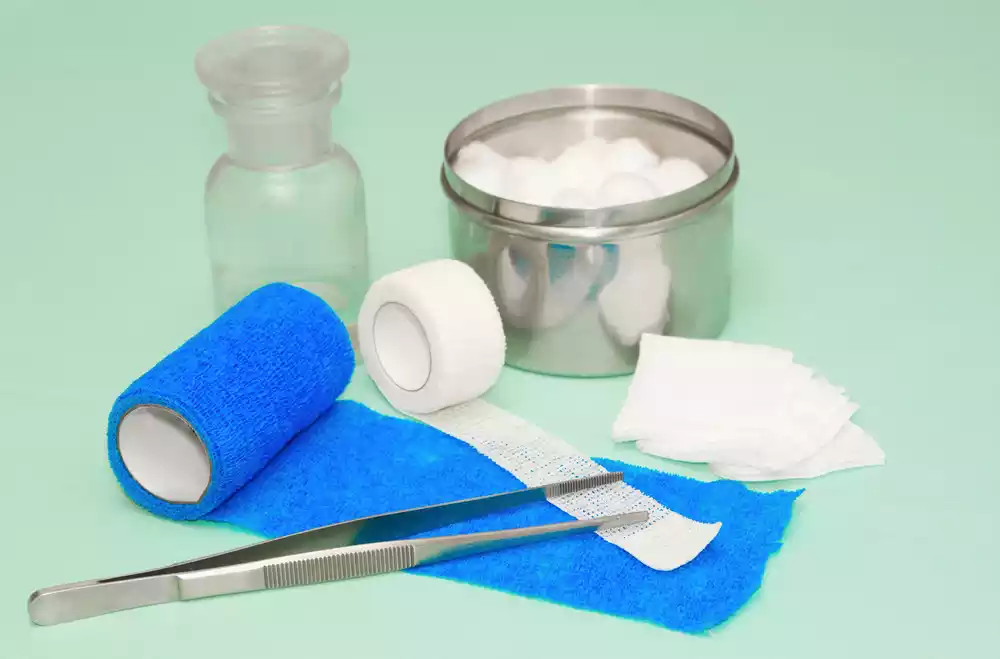
Recovering from surgery requires careful attention and a good aftercare routine to ensure a smooth healing process and prevent complications. One of the primary concerns following any surgical procedure is the risk of infection. Knowing how to effectively avoid infection after surgery is crucial for promoting optimal healing and maintaining your overall well-being. Preparing your home environment A clean and organized home environment is the first step in setting the foundation for a successful recovery. Creating a sanitary space can greatly help you avoid infection after surgery and accelerate the healing process. Declutter and clean your space Before undergoing surgery, ensure that your home is clean and free from clutter. This not only reduces stress but also minimizes dust and germs, which can contribute to infection risks. Focus on high-touch areas: Regularly disinfect doorknobs, light switches, and other frequently touched objects to prevent the spread of bacteria. Sanitize surfaces: Clean countertops and tables where you may place personal or medical items during your recovery. Set up a recovery area Designate a quiet and comfortable area in your home for recovery. Ensure it is equipped with essentials like clean sheets, towels, and a place to rest your medications and water. Comfortable bedding: Use clean, fresh linens to keep your resting area free of irritants. Proximity to essentials: Keep frequently used items, such as water, snacks, and medications, within arm’s reach to minimize movement and strain. Personal hygiene practices Maintaining good personal hygiene is essential for avoiding infection after surgery. By incorporating effective hygiene practices, you can safeguard your healing process and reduce the likelihood of complications. Hand hygiene Proper hand hygiene is critical. Washing your hands frequently with soap and water helps remove germs and prevents infection-transmission. Wash hands thoroughly: Spend at least 20 seconds washing your hands, especially before touching surgical sites or changing dressings. Use hand sanitizer: Keep a hand sanitizer containing at least 60% alcohol nearby for times when soap and water are not available. Bathing and showering Maintaining cleanliness extends to your entire body, but it requires caution around surgical sites. Follow showering instructions: Adhere to your surgeon’s guidance regarding when and how you can shower. Use mild, non-irritating soap, and avoid scrubbing incision sites. Pat dry: Gently pat dry the area around incisions instead of rubbing, which can irritate the skin. Proper wound care Attending your surgical wounds with care is key to preventing infections. Proper wound care practices are essential to avoid infection after surgery. Dressing changes Regularly change wound dressings as instructed by your surgeon to maintain a clean environment that facilitates healing. Use sterile supplies: Always use sterile materials for dressing changes, and follow proper techniques to prevent introducing bacteria. Check for signs of infection: Be vigilant for symptoms like redness, swelling, or unusual discharge around the wound, and report them to your surgeon promptly. Avoiding contaminants Protect the wound area from potential contaminants to avoid infection after surgery. Keep the area covered: Use clean, protective coverings to shield the incision from dirt and bacteria. Minimize exposure: Avoid exposing the surgical site to water (e.g., swimming) until fully healed. Nutrition and hydration Supporting your body with proper nutrition and hydration plays an essential role in recovery and helps you avoid infection after surgery. Healthy eating habits Eating a balanced diet rich in nutrients strengthens your immune system and aids healing. Include proteins: Incorporate protein-rich foods like lean meats, beans, and dairy to support tissue repair. Balance nutrients: Consume fruits and vegetables packed with vitamins and antioxidants to enhance immunity. Staying hydrated Adequate hydration helps maintain overall health and prevents dehydration that can hinder recovery. Drink plenty of water: Aim for at least 8 cups of water daily, unless advised otherwise by your surgeon. Avoid dehydration: Monitor fluid intake, especially if you experience loss of appetite or nausea. Monitoring for signs of infection Regularly check for any signs or symptoms of infection to ensure timely intervention and care. Recognizing symptoms Stay alert to any changes that might indicate infection: Redness or swelling: Be cautious of increased redness or swelling around the surgical site. Fever or discharge: Monitor for fever, unusual discharge, or persistent pain that doesn’t improve. Prompt communication: Report any concerning symptoms to your surgeon to avoid infection after surgery. Follow surgeon instructions Adhering to your surgeon instructions is paramount when aiming to avoid infection after surgery. Medication management Take prescribed medications as directed to support recovery and prevent complications. Follow prescription guidelines: Use antibiotics or prescribed medications exactly as instructed, and complete the entire course even if you’re feeling better. Pain management: Use pain relief consistently to remain comfortable during recovery. Post-op appointments Attend follow-up appointments to ensure proper healing and address any concerns. Regular check-ins: Keep all scheduled follow-up visits with your surgeon for continuous evaluation and guidance. Discuss concerns: Use these appointments to discuss any uncertainties or symptoms that arise. Enjoy a safe recovery at home A smooth recovery at home hinges on effective strategies to avoid infection after surgery. By preparing your environment, practicing good hygiene, and following your surgeon’s advice, you can support your body’s natural healing process and reduce the risk of complications. For those considering cosmetic surgery, Clinica Renueva in Tijuana offers unmatched expertise and care. Our team is dedicated to providing exceptional results while prioritizing your health and safety, making us the ideal choice for cosmetic surgery in Tijuana.
Enhancing safety and comfort with anesthesia for cosmetic surgery

Cosmetic surgery has seen remarkable advancements, offering people the chance to enhance their appearance and boost their confidence. A crucial element ensuring these procedures are both safe and comfortable is anesthesia for cosmetic surgery. Anesthesia not only minimizes pain but also enhances the overall safety and effectiveness of surgeries. Let’s explore how this essential component plays a vital role in patient care, creating a secure and comfortable experience. How anesthesia enhances safety in cosmetic surgery Anesthesia for cosmetic surgery involves the use of medication to prevent pain and discomfort during procedures. It plays a key role in ensuring patient comfort while allowing the surgical team to perform complex tasks with precision and care. Anesthesia contributes to safety in several ways: Pain management: Effectively controls pain during and after surgery, allowing patients to remain comfortable. Reduced anxiety: Helps patients relax or remain unconscious, significantly reducing stress associated with undergoing surgery. Facilitating complex procedures: Provides a controlled environment for surgical teams, allowing for focused and precise work without patient discomfort or movement. Monitoring vital signs: Allows for close monitoring of vital signs throughout the procedure, ensuring patient safety and enabling immediate intervention if issues arise. Types of anesthesia for cosmetic surgery: An in-depth look Depending on the patient’s needs and the complexity of the procedure, different types of anesthesia for cosmetic surgery are used. Each offers specific benefits to enhance safety and comfort. Local Anesthesia Local anesthesia numbs a specific area of the body where the surgery is performed and is commonly used for minor procedures involving anesthesia for cosmetic surgery. Benefits: The patient remains awake, with minimal recovery time and fewer side effects. Considerations: Best suited for less invasive procedures and can be combined with other anesthesia types for extended surgeries. Sedation (Conscious sedation) Sedation, often referred to as twilight sedation, keeps the patient relaxed yet responsive, used in conjunction with local anesthesia for more extensive procedures. Benefits: Quick recovery, stress reduction, and comfort without full unconsciousness. Considerations: Ideal for moderately invasive procedures, balancing awareness with ease. General anesthesia General anesthesia is used for more invasive procedures, where complete unconsciousness is necessary. Benefits: Offers comprehensive pain relief and unconsciousness, allowing for extensive surgical procedures. Considerations: Requires longer recovery time, typically used for major surgeries. Preparation and the role of the anesthesia team Preparation for anesthesia for cosmetic surgery involves detailed assessments to ensure optimal patient outcomes. An anesthesiologist works closely with the surgical team to develop a tailored plan for each patient that aligns with the specific needs of their procedure. Pre-surgery preparation Health evaluation: Includes thorough medical examinations to identify and manage any underlying health concerns. Medication review: May involve adjusting medications based on the type of anesthesia planned. Fasting instructions: Guidelines are provided on when to stop eating and drinking to minimize risks associated with anesthesia for cosmetic surgery. The role of the anesthesia team The anesthesia team is crucial in ensuring a smooth and safe surgical experience. They manage and monitor the patient’s condition throughout the procedure. Patient monitoring: Continuously tracks heart rate, blood pressure, and oxygen levels to maintain safety. Anesthesia management: Adjusts anesthesia levels as needed during the procedure. Postoperative care: Ensures comfortable and safe recovery, addressing pain or side effects from the anesthesia. Recovery and aftercare following anesthesia Understanding what to expect post-surgery helps ease concerns about recovery and enhances the healing process. Immediate recovery Monitoring: Patients are closely observed after surgery until anesthesia effects diminish. Side effect management: Temporary side effects, such as grogginess or nausea, are common but well-managed with care. Longer-term recovery Follow-up care: Includes regular check-ups to ensure proper healing and address any concerns related to surgery or anesthesia. Guidance and support: Patients are advised on activity levels, pain management, and addressing potential complications. Common types of anesthesia in cosmetic surgery procedures Understanding the type of anesthesia used in various cosmetic procedures helps patients feel more comfortable and informed about their surgical journey. Here are some of the most common anesthesia approaches based on the procedure: Liposuction Liposuction can be performed under local anesthesia with sedation or general anesthesia, depending on the extent and area being treated. Smaller areas may use local anesthesia to numb specific spots, while larger procedures often require general anesthesia to ensure maximum comfort. Tummy tucks Abdominoplasty, or tummy tucks, typically involves local anesthesia with sedation, administered by a board‑certified anesthesiologist, given the comprehensive nature of the surgery. This allows the surgeon to address the muscles and skin tissue properly while the patient remains comfortably unconscious. Rhinoplasty For nose reshaping or rhinoplasty, general anesthesia is commonly chosen to ensure the patient’s comfort and motionless state, allowing precision work on the nasal framework. Breast augmentation Breast augmentation surgeries generally use local anesthesia with sedation, providing a safe environment for both patient and surgeon to achieve the desired enhancement without any interference from movement or discomfort. Eyelid surgery Blepharoplasty, or eyelid surgery, utilizeLocal anesthesia with sedation, administered by a board‑certified anesthesiologist. Understanding these common practices of anesthesia for cosmetic surgery allows patients to have more in-depth discussions with their surgical team, aligning expectations and reducing anxiety about the procedure ahead. Embrace your enhanced look Anesthesia for cosmetic surgery plays a crucial role in shaping not only the outcome but also the experience of your surgical journey. A well-coordinated anesthesia plan ensures that your procedure is both safe and comfortable, setting the stage for the results you envision. The synergy between skilled surgeons and an expert anesthesia team is essential for achieving optimal success, allowing you to embrace your transformation with assurance and tranquility. At Clinica Renueva, we pride ourselves on providing exceptional care and utilizing advanced anesthesia techniques tailored to meet the unique needs of each patient. Our comprehensive approach to cosmetic surgery is designed to ensure that every aspect of your experience is handled with precision and professionalism. From the initial consultation through recovery, our dedicated team is committed to delivering not only safe and effective anesthesia for cosmetic surgery but also a warm, supportive environment that
Exploring the latest lip fillers trend for a perfect pout

Lip fillers have taken center stage in the beauty world as a popular choice for enhancing your natural look. As more individuals seek the perfect pout, new techniques and products continue to develop, offering exciting ways to achieve beautiful, natural-looking lips. Staying up-to-date with lip fillers trends allows you to make informed decisions and enjoy the latest in lip enhancement. How lip fillers work Lip fillers are a popular choice for individuals seeking to enhance their lips by adding volume, definition, and symmetry. These injectables are designed to refine your lips’ appearance, creating a fuller and more balanced look that suits your facial features. Most commonly, lip fillers contain hyaluronic acid, a substance naturally found in the body that aids in retaining moisture and providing a youthful, plump appearance. Beyond just aesthetics, lip fillers can help correct asymmetry, smooth out fine lines around the mouth, and restore volume lost due to aging. The procedure is relatively quick, often taking less than an hour, and involves the careful injection of the filler into targeted areas of the lips. This minimally invasive process ensures a comfortable experience with immediate results and minimal downtime, allowing you to enjoy your enhanced lips with confidence and stay at the forefront of the latest lip fillers trend. Types of lip fillers you should know about Lip fillers come in various formulations from different brands, each designed to achieve specific results that cater to your personal aesthetic desires. Some fillers are ideal for those seeking pronounced volume and a more dramatic transformation, offering a fuller and more defined lip contour. Others provide a softer, more natural enhancement, perfect for first-timers who prefer a subtle boost. Additionally, certain fillers focus on adding gentle volume while smoothing out fine lines around the lips for a more polished appearance. These options allow for a tailored approach, ensuring that the chosen filler aligns with your desired look and complements your unique facial features. The expertise of the cosmetic specialist is essential in selecting the right filler for you from the array of available brands, guaranteeing results that you’ll love and that enhance your natural beauty. Hot trends in lip fillers Lip fillers trends are constantly changing with new techniques and preferences. Here are some of the latest in the lip fillers trend. Embrace the natural look A significant trend is the shift towards natural-looking lips. Many people now prefer results that enhance their natural lip shape without going overboard. The focus is on achieving a refined, authentic appearance that complements your overall facial features. Personalized lip filler treatments Customization is at the heart of the lip fillers trend, where treatments are tailored to meet each person’s unique aesthetic goals. By thoroughly understanding your facial anatomy, the treatment plan can be adjusted in terms of filler type, amount, and injection technique to achieve your ideal look. This personalized approach ensures that the final results harmoniously blend with your overall appearance, highlighting your natural beauty. Micro-dosing and layering Instead of using large volumes all at once, micro-dosing and layering involve smaller, precise injections over time. This approach allows for gradual enhancement, giving you more control over your desired results and reducing the risk of overfilling. Combining fillers for best results Using a combination of different fillers within a single treatment has become increasingly popular. This method allows for addressing multiple concerns such as volume, definition, and hydration simultaneously, offering a comprehensive approach to enhance your lips. By choosing the right mix of fillers, you can enjoy a balanced and refined look that elevates your natural beauty. Favoring hyaluronic acid fillers Hyaluronic acid fillers continue to be a preferred choice within the lip fillers trend due to their temporary nature and adaptability. These fillers provide flexibility by allowing adjustments or even complete dissolution if changes are desired, ensuring that your lip enhancement can evolve with your preferences over time. The lip fillers experience Experiencing the latest advancements in the lip fillers trend is a straightforward process, typically completed within an hour. Here’s what you can expect: Consultation: Begin by discussing your goals with a qualified specialist who evaluates your lip structure. This step ensures that your treatment is customized to align with both current trends and your aesthetic desires. Preparation: To minimize any discomfort during the procedure, a topical anesthetic is applied to numb your lips. This careful approach is reflective of the precision and care emphasized in today’s lip fillers trend. Injection: The procedure involves using a fine needle to inject fillers with precision. Techniques like linear threading ensure even distribution, which is crucial for achieving the natural look that defines the modern lip fillers aesthetic. Post-procedure care: After the procedure, it’s important to avoid applying pressure to your lips and minimize physical activity for a couple of days. Adhering to recommended aftercare is a key part of achieving optimal results in line with the current lip fillers trend. Results are visible almost immediately, with full effects showing within a week. Fillers can last from six months to a year. Keep your results looking great Embracing the latest lip fillers trend means enjoying a plump and youthful appearance, but maintaining that fabulous look requires regular care and attention. Consistent touch-ups with your cosmetic specialist will ensure that your lips retain their volume and definition, keeping them looking as stunning as the day of your procedure. Scheduling periodic maintenance appointments allows for necessary adjustments, adapting your look to any subtle changes over time. These visits also provide an opportunity to discuss the latest lip fillers trend and innovations that could further enhance your results. Tips for making lip fillers last longer Stay hydrated: Hydration is key to maintaining the plumpness and natural appearance of your lip fillers. Drinking plenty of water not only keeps your lips looking full and luscious but also supports overall skin health. Consider using a hydrating lip balm throughout the day to lock in moisture. Use sun protection: The delicate skin on your lips needs protection from
Essential tips for bichectomy after care for a smooth recovery
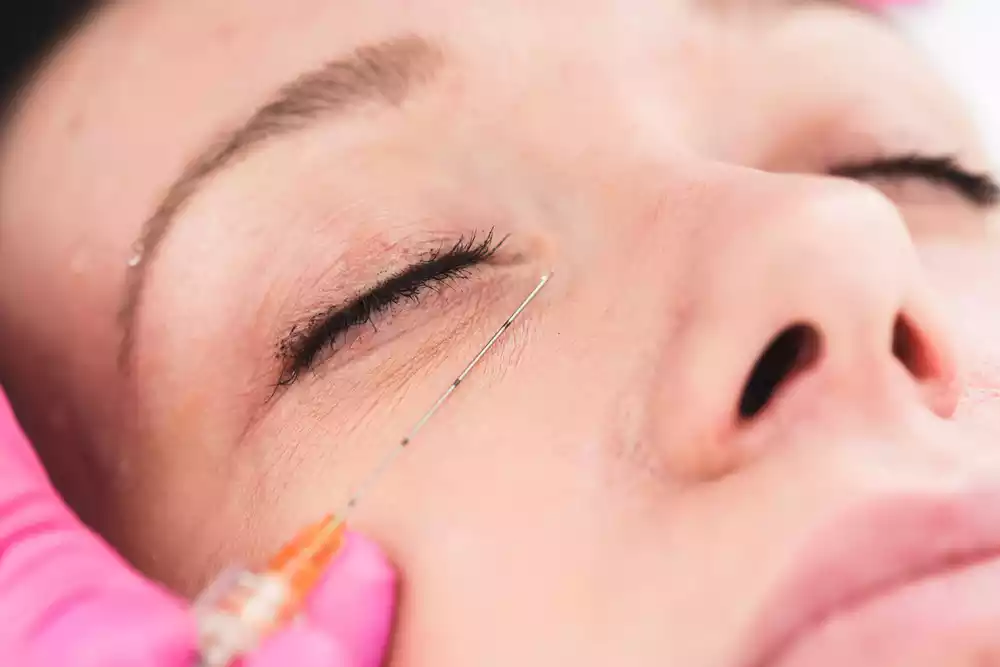
Bichectomy, or buccal fat removal, is a sought-after procedure for achieving a more contoured facial appearance. While the surgery is relatively straightforward, ensuring a smooth recovery through effective aftercare is vital for attaining the best possible results. Let’s explore essential bichectomy after care tips to help you navigate your recovery journey with confidence. Bichectomy and what to expect A bichectomy is a cosmetic surgery procedure designed to enhance facial contours by removing buccal fat pads, which are pockets of fat located in the lower part of the cheeks. This removal results in a thinner, more chiseled facial appearance, giving the face a more sculpted and defined look. The procedure is commonly sought by individuals seeking to reduce facial roundness and achieve a more aesthetically pleasing contour. Though bichectomy is a relatively straightforward outpatient procedure, it involves precise surgical techniques to ensure that the facial symmetry remains balanced. Typically, the surgery takes about 30 minutes to an hour and involves making small incisions inside the mouth to access and remove the fat pads. The incisions are minor, which generally leads to less scarring. Anesthesia is administered to ensure comfort during the procedure, and most patients experience minimal downtime. However, as with any surgery, proper bichectomy after care is imperative to minimize complications and enhance healing. Understanding what to expect during the recovery phase can help patients prepare and manage their post-surgery journey effectively. Immediate post-op care The early days following your bichectomy are crucial for healing, so it’s important to adhere to these initial care guidelines: 1.- Rest and elevation: Take it easy for the first couple of days and avoid strenuous activities. Keep your head elevated while resting to reduce swelling. 2.- Cold compress: Use cold packs on your cheeks to help minimize swelling and discomfort. Apply the compress for 15-20 minutes every hour as needed during the initial post-op phase. 3.- Follow prescribed medications: Take any prescribed pain relievers or antibiotics as directed by your surgeon to manage discomfort and prevent infection. 4.- Diet adjustments: Stick to a soft foods diet to avoid putting strain on your incisions. Avoid hot or spicy foods that might irritate surgical sites. Tips for effective bichectomy after care As you progress in your recovery journey, these tips focus on maintaining your health and maximizing your surgical results: 1. Prioritize hygiene practices Maintaining proper hygiene is crucial for preventing infections and promoting healing in bichectomy after care. Regularly rinse your mouth with a saline solution or an antiseptic mouthwash as advised by your surgeon. Brush your teeth gently, avoiding the incisions in your cheeks. 2. Manage swelling and discomfort Swelling and mild discomfort are typical in the days following surgery, but certain practices can help: Continue using cold compresses in the first few days, transitioning to warm compresses as instructed by your surgeon. Stay hydrated to help reduce swelling and support healing. 3. Avoid certain activities In order to facilitate optimal healing during your bichectomy after care, avoid certain activities in the weeks following surgery: Refrain from smoking or using tobacco products, as they can impede healing and increase infection risks. Avoid vigorous physical activities, heavy lifting, and bending over for at least two weeks post-surgery. Steer clear of tinkering with your cheeks or incisions to avoid disrupting the healing tissue. 4. Attend follow-up appointments Your follow-up appointments are a key component of your bichectomy after care plan. These visits allow your surgeon to assess how well you’re healing and address any concerns: Attend all scheduled follow-up appointments with your healthcare provider. Use these sessions to discuss any issues or discomfort you might be experiencing. 5. Embrace a healthy lifestyle A healthy lifestyle plays a crucial role in recovery, ensuring you enjoy long-lasting results from your bichectomy. Follow a balanced diet rich in nutrients to support the healing process. Engage in light exercise when allowed, such as walking to promote circulation. Get ample sleep and rest to aid overall recovery. 6. Recognize potential complications Staying informed about potential complications can aid in early detection and treatment: Look out for severe pain, excessive swelling, fever, or pus – signs that may indicate an infection. Report any unusual symptoms to your surgeon promptly. Maintaining your results long-term The goal of bichectomy is to enhance facial aesthetics, and your bichectomy after care efforts contribute significantly to achieving these results. Here are tips for maintaining your outcomes long-term: Keep a stable weight, as fluctuations can affect facial contours and the appearance of your face. Protect your skin from sun damage by applying sunscreen daily. Consider professional skincare treatments to ensure your skin remains healthy and vibrant over time. Embrace your new look with confidence A successful bichectomy after care plan supports your journey to a more sculpted, defined appearance. As you invest time and attention in your recovery, you’ll witness remarkable changes and enhanced confidence in your new look. For those contemplating a bichectomy, consider scheduling a consultation with Dr Fernando Robles at Clinica Renueva. Our team of skilled professionals is dedicated to providing top-tier cosmetic surgery in Tijuana, assisting you in your journey toward enhanced beauty. At Clinica Renueva, your transformation and satisfaction with your appearance are our top priorities, making us the ideal choice for your aesthetic goals.
Identifying the ideal breast lift candidates

The desire to maintain youthful contours often leads many women to consider a breast lift, or mastopexy. This procedure is designed to raise and reshape sagging breasts, offering a more youthful and aesthetically pleasing appearance. Understanding who the best breast lift candidates are and what factors contribute to successful outcomes is essential. Exploring the characteristics that define ideal breast lift candidates can help determine if this transformative procedure is right for you. Identifying ideal breast lift candidates Breast lift candidates are generally individuals seeking to address sagging or drooping breasts. Over time, several factors can contribute to changes in breast shape and firmness, leading many women to explore surgical options. These factors include: Aging: As we age, skin loses elasticity, and gravitational effects can lead to sagging. Pregnancy and breastfeeding: These natural processes stretch the skin and ligaments, altering breast shape. Weight fluctuations: Significant weight changes can affect skin elasticity and breast volume. Genetics: Certain genetic factors can predispose individuals to breast sagging. Characteristics of ideal breast lift candidates Physical health and stability One of the primary considerations for breast lift candidates is their overall physical health. Ideal candidates are individuals in good health, without medical conditions that could impair healing or increase surgical risks. It’s also crucial that candidates have a stable weight, as future fluctuations could impact the surgical results. Realistic expectations Ideal breast lift candidates possess realistic expectations about the outcomes of the procedure. Understanding that a breast lift does not significantly alter breast size but enhances shape and position is essential for patient satisfaction. Candidates should enter the process with clear goals and a positive mindset. Concerns with sagging breasts Candidates who experience concerns with sagging or drooping breasts, possibly affecting their self-esteem and clothing choices, are often excellent candidates. A breast lift can dramatically improve the contour and perkiness of the breasts, addressing these concerns effectively. Non-smokers For optimal healing and successful outcomes, ideal breast lift candidates are non-smokers. Smoking impairs circulation and can negatively affect the healing process, increasing the risk of complications. Therefore, individuals who smoke should consider quitting prior to undergoing surgery. Post-childbearing Women who have completed their families and do not plan to have more children often make ideal breast lift candidates. While it is possible to undergo a breast lift before finishing childbearing, future pregnancies could affect the results, leading some women to choose to wait. Suitable skin elasticity Breast lift candidates with adequate skin elasticity tend to achieve the best results. Elastic skin can adapt better to the new breast shape and contour, contributing to a more successful outcome. The breast lift procedure Understanding the steps involved in a breast lift procedure can help potential candidates make informed decisions: Consultation The process begins with a consultation with a qualified plastic surgeon. During this meeting, your surgeon will assess your breast shape, discuss your goals, and evaluate your candidacy for the procedure. Surgical technique Several techniques can be employed in a breast lift, chosen based on the degree of sagging and skin quality. Common techniques include the crescent lift, peri-areolar lift, vertical lift, and anchor lift. Anesthesia Breast lift surgeries are typically performed under general anesthesia to ensure comfort and safety during the procedure. Incisions and reshaping The surgeon makes incisions to remove excess skin, reshapes the breast tissue, and repositions the nipple to achieve a more youthful contour. Recovery and aftercare Postoperative care includes wearing a supportive bra, managing swelling, and attending follow-up appointments to ensure proper healing. Benefits of a breast lift For ideal breast lift candidates, the procedure can offer several benefits, including: Enhanced breast contour: Improved shape and position, leading to a more youthful and lifted appearance. Increased confidence: Boost in self-esteem and body image due to improved aesthetics and symmetry. Better clothing fit: Enhanced ability to wear a wider range of clothing styles with confidence. Long-lasting results: With proper care and lifestyle maintenance, breast lift results can be long-lasting. Preparing for a Breast Lift Prospective breast lift candidates should prepare both physically and emotionally for the surgery. Here are some preparation tips: Maintain a stable weight: Achieving and maintaining a stable weight can help ensure optimal results. Healthy lifestyle: Adopting a healthy lifestyle, including a balanced diet and regular exercise, can support recovery. Quit smoking: If you’re a smoker, consider quitting to improve healing and outcomes. Plan for recovery: Arrange for assistance during your recovery, ensuring you have the support needed for a smooth healing process. Embrace your transformation with confidence For those contemplating a breast lift, identifying as ideal candidates ensures a rewarding experience and successful results. By aligning with key candidate characteristics, you can embrace your transformation journey with confidence and achieve the aesthetic goals you desire. If you are ready to explore your options, consider scheduling a consultation with Clinica Renueva. As the best option for cosmetic surgery in Tijuana, Clinica Renueva offers a team of experienced professionals dedicated to helping you achieve your aesthetic goals with precision and care. Reach out today to discover the possibilities awaiting you.
How are BMI and plastic surgery related?

When considering plastic surgery, one of the factors that both patients and surgeons take into account is Body Mass Index (BMI). This simple calculation is based on height and weight, and it categorizes individuals into different weight status categories. Although BMI does not directly measure body fat, it is commonly used as a screening tool for assessing whether a patient is at an ideal weight for surgery. Let’s delve into how BMI and plastic surgery are related, why it’s a consideration, and what it means for those planning a procedure. Understanding BMI and plastic surgery BMI is a numerical value derived from a person’s height and weight. It is widely used to determine a person’s weight category, assessing whether they are underweight, normal weight, overweight, or obese. In the realm of plastic surgery, BMI serves as an important metric for evaluating a patient’s suitability for various procedures. Why BMI matters in plastic surgery Assessing surgical candidacy In the context of BMI and plastic surgery, BMI is commonly used to help assess whether a patient is a suitable candidate for plastic surgery. Typically, patients with a BMI below 30 are considered good candidates for plastic surgery, as they are less likely to encounter complications during and after the procedure. Reducing risks and complications Higher BMI levels are associated with increased risk during surgery, including complications such as infection, poor wound healing, and anesthesia-related risks. By taking BMI into account, plastic surgeons can reduce the likelihood of these complications, leading to safer procedures and quicker recovery times. In BMI and plastic surgery, the relationship between BMI and the potential for surgical complications cannot be understated. Achieving optimal results For procedures like body contouring and liposuction, surgeons aim for optimal aesthetic outcomes through the careful consideration of BMI and plastic surgery. A BMI within a healthy range supports better surgical results, enhancing both safety and effectiveness. Excessive body fat can interfere with achieving the desired contour, making it crucial to consider BMI and plastic surgery requirements when planning aesthetic surgeries. Guiding Pre-Surgical preparation In the context of BMI and plastic surgery, your BMI can guide both you and your surgeon in preparing for surgery. If your BMI is above the recommended range, your surgeon might recommend weight loss strategies to align with BMI and plastic surgery guidelines. This preparation helps achieve better results and ensures that the surgical procedure is both safe and effective. Procedures and BMI considerations Different plastic surgery procedures have varying requirements concerning BMI and plastic surgery needs. Here are some common procedures where BMI plays a crucial role: Tummy Tuck (Abdominoplasty) Ideal BMI: Below 30 Considerations: A higher BMI can hinder the tightening of abdominal muscles and increase risks related to anesthesia, highlighting the importance of BMI and plastic surgery guidelines. Liposuction Ideal BMI: Below 30 Considerations: Intended for contouring rather than weight loss; excess fat removal in patients with high BMI can lead to less predictable results, demonstrating the interplay between BMI and plastic surgery outcomes. Breast Surgery (Augmentation, Reduction, Lift) Ideal BMI: Below 30 Considerations: A higher BMI may affect wound healing and the aesthetic balance of breast procedures, making BMI and plastic surgery considerations critical. Facelift Ideal BMI: Not as crucial as with body procedures, but excess facial fat can influence results. Considerations: Maintaining stable weight ensures long-term results, reinforcing the connection between BMI and plastic surgery success. BMI and patient safety Ensuring patient safety is the primary concern for any surgical procedure. BMI offers a framework to evaluate risks and prepare for various procedural challenges. Here’s how BMI plays into patient safety: Anesthesia safety BMI can influence the dosage and effectiveness of anesthesia. Higher body fat percentages can complicate anesthesia delivery, leading to potential complications during surgery. Wound healing Patients with higher BMIs often experience slower wound healing due to poor circulation and increased pressure at incision sites, leading to higher rates of infection and dehiscence. Postoperative recovery A healthier BMI can translate into a smoother and quicker recovery process. Patients with lower BMIs tend to conform to postoperative guidelines more effectively, experience fewer complications, and enjoy a more straightforward healing period. Steps to Reach Ideal BMI for Surgery Reaching an ideal BMI for plastic surgery involves adopting a balanced diet, engaging in regular physical activity, and fostering a healthy lifestyle. Here are some steps to help you prepare: Consult a nutritionist or dietitian: To develop a sustainable weight loss plan that meets your nutritional needs. Integrate regular exercise: Consistent physical activity aids weight management and enhances overall health. Seek behavioral therapy: For identifying and changing habits that lead to weight gain. Regular monitoring: Keep track of BMI changes and consult your surgeon for updates on your surgical candidacy. Reducing Your BMI before surgery Reducing your BMI (Body Mass Index) before plastic surgery is important to minimize risks and get better results. Here’s a step-by-step guide: 1. Calculate your current BMI Formula: {BMI} = Weight (in kg) / (Height) 2 (in m) 18.5: Low weight 18.5-24.9: Normal (ideal for surgery) 25-29.9: Overweight 30: Obesity (many surgeons require a BMI < 30 to operate), if the procedure can be up to <32 2. Goal: Achieve a BMI < 30 If your BMI is > 30: You will need to lose weight. If you are between 25-30: Some surgeons can operate, but a lower BMI reduces risks. 3. Strategies to reduce your BMI Feeding (70% of success): Calorie deficit: Consume fewer calories than you spend. Lean proteins: Chicken, fish, eggs, legumes (maintain muscle). Vegetables and fiber: Fill without many calories (spinach, broccoli, avocado). Avoid: Refined sugar, white flours, fried and processed food. Hydration: 2-3 liters of water per day (reduces fluid retention). Exercise (30% of success): Cardio (fat burning): Fast walking, swimming, cycling (30-60 min/day). Strength (toning): Weights or exercises with your own weight (2-3 times/week). Consistency: Better 30 min daily than 2 hours only on weekends. Sleep and stress: Sleep 7-8 hours: Lack of sleep increases cortisol, promoting abdominal fat. Manage stress: Meditation, yoga or
Top key blepharoplasty benefits for enhanced eye health

Sometimes the smallest details make the biggest difference. Droopy eyelids, puffiness, or excess skin around the eyes can affect the way the face is perceived, but they can also lead to discomfort and even affect vision. While it might seem like a minor concern, the way the eyes look often shapes how others interpret expressions, and the heaviness around the eyes can create feelings of fatigue or strain. This is where eyelid surgery becomes more than just a cosmetic solution, it also enhances comfort, improves functionality, and boosts overall confidence. What is blepharoplasty? Blepharoplasty is a surgical procedure designed to remove excess skin, fat, or muscle from the upper or lower eyelids. It is commonly performed to reduce puffiness, sagging, or bags that appear with aging or genetics. One of the blepharoplasty benefits is its ability to enhance vision, particularly when excess skin on the upper eyelids starts to obstruct the field of view. The procedure can be done on either the upper or lower eyelids or both, depending on the goal. It is relatively quick and offers long-lasting results, making it a popular option in facial rejuvenation. Blepharoplasty benefits with noticing There are many blepharoplasty benefits, both aesthetic and functional. Here’s a closer look at why this procedure continues to gain attention: A more youthful and refreshed appearance: The procedure instantly lifts the eyelids, providing a smoother, more vibrant look that makes you appear significantly younger and well-rested. Improved vision: By eliminating the excess skin from the upper eyelids, blepharoplasty opens up your visual field, improving clarity and reducing eye strain, especially for those who struggle with obstructed vision. Enhanced eye comfort: Say goodbye to the constant pressure from sagging eyelids. Your eyes will feel lighter and less fatigued, offering greater comfort throughout the day. More expressive facial movements: The subtle lift restores a natural balance to your face, making your expressions more accurate and preventing you from being misinterpreted as tired or upset. Long-lasting, low-maintenance results: Unlike temporary beauty treatments, blepharoplasty offers enduring results that can last a decade or more, providing a lasting solution with minimal upkeep. Quick and easy recovery: The procedure involves minimal downtime, allowing you to return to your regular activities in just a couple of weeks, which is one of the many blepharoplasty benefits, making it a convenient option for those with busy lives. These blepharoplasty benefits go far beyond the surface, providing practical and emotional relief that impacts daily life. Who considers this procedure? Not everyone who opts for blepharoplasty does so for cosmetic reasons. While achieving a younger, more refreshed look is often a motivating factor, many people turn to this surgery to address discomfort or vision problems. When eyelids become heavy, obstruct vision, or create a perpetually tired appearance, the issue goes beyond aesthetics. For those tired of makeup disappearing beneath folds or frustrated by drooping lids during daily activities, the decision to undergo blepharoplasty often feels like a natural step. Ultimately, each person’s reasons and motivations for considering the procedure are deeply personal and unique Tips for a smooth experience Set realistic expectations While blepharoplasty can bring significant improvements, it’s important to remember that the goal is natural enhancement, not a complete transformation. Understanding this ensures appreciation for the subtle yet effective improvements, avoiding unrealistic expectations. Follow recovery instructions carefully Post-procedure care is essential for achieving the full blepharoplasty benefits. Make sure to follow surgeon instructions meticulously. Using cold compresses in the first few days can reduce swelling and provide relief. Resting and avoiding physical strain during recovery will support the healing process. Be patient with the healing process Swelling is a common part of recovery, but it gradually subsides. Remember that it can take weeks for the final results to fully show. The blepharoplasty benefits will become more visible as the weeks go by, so patience is necessary to achieve the best possible outcome. By following these steps, your journey toward enhanced eyelids will be smoother and more successful, maximizing the blepharoplasty benefits and ensuring that you achieve the best possible outcome. Enhance your appearance! Blepharoplasty offers a transformative solution for those looking to enhance their appearance while addressing both cosmetic and functional concerns. Whether it’s rejuvenating the eyes, improving vision, or boosting confidence, this procedure provides a range of benefits that make a noticeable difference in one’s everyday life. At Clinica Renueva, we specialize in offering top-notch cosmetic surgery in Tijuana, focusing on precision, care, and results that make a difference. Our team of experienced professionals ensures that every patient receives personalized attention and the best possible outcome from their procedures. If you’re considering blepharoplasty and want to explore its many blepharoplasty benefits, don’t hesitate to reach out to us today. Our team will guide you through the process and help you take the first step toward the refreshed look you deserve!
7 Tips for a Smooth Facelift Recovery Process

A facelift marks the beginning of a transformative journey toward a more youthful and refreshed appearance. However, the success of the procedure extends beyond the operating room, playing a crucial role during the healing period. Knowing and applying the best practices during the facelift recovery phase is essential. This knowledge can significantly impact your experience, turning what could be a stressful recovery into a smooth and comfortable transition back to daily life. 1. Follow All Post-Operative Instructions Carefully One of the most essential steps in ensuring a positive facelift recovery is adhering strictly to the post-operative instructions provided by the surgeon. These guidelines are specifically designed to minimize complications and encourage faster healing. They often include details about medications, wound care, activity restrictions, and follow-up appointments. Neglecting any of these recommendations may lead to delayed healing or unsatisfactory results. 2. Prioritize Rest Without Complete Inactivity Rest is key, but this doesn’t mean staying completely still for days. Light movement, such as short walks around the house, can improve blood circulation and reduce the risk of blood clots. However, strenuous activities, bending over, or heavy lifting should be avoided for several weeks during the recovery period. Creating a peaceful, comfortable space dedicated to healing is highly recommended. Preparing this area before surgery can provide a stress-free environment that promotes relaxation and comfort. 3. Maintain a Nutritious Diet Proper nutrition plays a key role in the recovery process after a facelift. Fueling your body with nutrient-rich foods helps accelerate healing, supports tissue repair, and strengthens your immune system. Focus on including lean proteins (like chicken, fish, or eggs), vitamin C-rich fruits (such as oranges, kiwi, and strawberries), antioxidant-packed vegetables (like spinach and broccoli), and healthy fats (avocado, nuts, and olive oil). Staying well-hydrated is also essential for optimal skin recovery. Avoid processed foods, excessive sugars, and alcohol, as these can slow down the healing process and potentially interfere with medications prescribed during recovery. Example of recovery-friendly foods Grilled salmon with quinoa and kale Chicken breast with steamed broccoli Greek yogurt with berries and chia seeds Fresh fruit smoothies Lots of water and herbal teas Remember: what you eat directly impacts how your skin heals from within. 4. Avoid Smoking and Alcohol Smoking significantly hinders the healing process by restricting blood flow and oxygen delivery to tissues. Alcohol, on the other hand, can increase swelling and interfere with certain medications. For a smooth facelift recovery, it is essential to refrain from both smoking and alcohol consumption before and after surgery for the time recommended. 5. Protect the Skin from Sun Exposure Freshly healing skin is highly sensitive to UV rays. Direct sun exposure can lead to pigmentation changes, scarring, or prolonged swelling. Wearing a wide-brimmed hat, using sunscreen (once approved by the surgeon), and avoiding outdoor activities during peak sunlight hours are essential habits during facelift recovery. 6. Keep Follow-Up Appointments Regular check-ins with your surgeon ensure that facelift recovery is progressing as expected. These appointments allow for early detection of any complications and provide an opportunity to ask questions or address concerns. Trusting professional guidance is essential for achieving the best possible outcome. 7. Avoid Comparing Recovery to Others Each body heals at its own pace. Factors like age, skin condition, lifestyle habits, and the specific techniques used during the procedure all influence the facelift recovery timeline. Comparing healing speed or appearance to others can lead to unnecessary stress. Focusing on personal progress and listening to the body’s signals ensures a smoother and healthier journey. Achieve a Safe and Successful Facelift Recovery A facelift can offer remarkable aesthetic benefits, from restoring youthful facial contours to boosting confidence and overall well-being. Navigating the facelift recovery process with care, patience, and expert advice is essential for achieving the best possible results. By following these practical tips and trusting professional guidance, a smooth and stress-free healing journey is absolutely within reach. If you are considering a facelift and looking for exceptional care, Clinica Renueva is here to help. With a highly skilled team specializing in cosmetic surgery in Tijuana, personalized attention and outstanding results are a top priority. Contact Clinica Renueva today to schedule a consultation and learn more about how we can help you to achieve your aesthetic goals!
Do Men Get Tummy Tucks? Understanding the Male Perspective
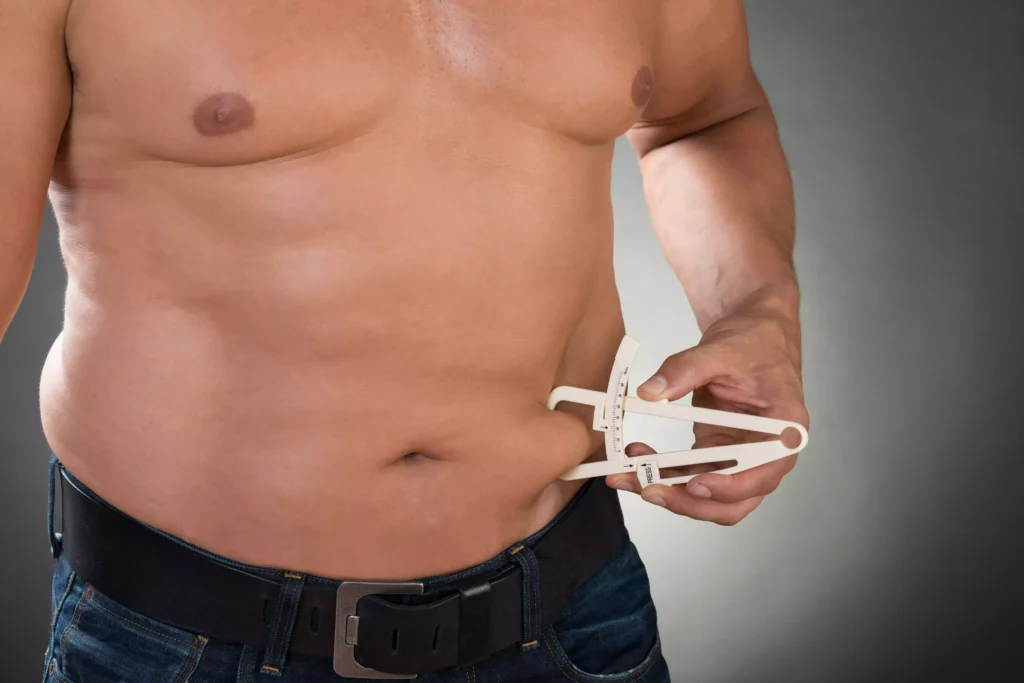
The question, do men get tummy tucks, has become increasingly common as cosmetic surgery continues to rise in popularity among people of all genders. Traditionally, procedures were seen predominantly for women, mainly due to societal expectations and the way body image is framed in the media. However, times have changed, and men are now more open than ever to undergoing various cosmetic procedures to enhance their appearance and boost self-confidence. This shift in attitudes can be attributed to several factors, ranging from the desire to achieve a more youthful look to the influence of social media and the growing acceptance of men taking an active role in their aesthetic well-being. A tummy tuck, involves the removal of excess skin and fat from the abdominal area. It is commonly sought after by those who have lost significant weight, experienced the effects of aging, or have undergone changes in body shape due to lifestyle factors. But the question remains: do men get tummy tucks? The answer is increasingly yes. What Is a Tummy Tuck? A tummy tuck, also known as abdominoplasty, is a cosmetic surgical procedure designed to remove excess skin and fat from the abdominal area while tightening the underlying muscles. This procedure is typically sought by those who have experienced significant weight loss, women who have undergone pregnancy, or those looking to eliminate stubborn fat and sagging skin that doesn’t respond to diet or exercise. During the procedure, the surgeon makes an incision along the lower abdomen, removes excess tissue, and tightens the muscles to create a smoother, more toned abdominal contour. While tummy tucks have long been associated with women, men are increasingly seeking this procedure for various reasons, including the desire to regain a more youthful appearance and improve their body image. As societal perceptions of cosmetic surgery evolve, the question of do men get tummy tucks has moved beyond a niche query to a more widespread consideration. Why Do Men Opt for Tummy Tucks? The decision to undergo a tummy tuck is deeply personal, and it is essential to understand that the reasons for men opting for this surgery vary. For some, it is a way to address stubborn belly fat that doesn’t respond to diet and exercise. In particular, men who have experienced dramatic weight loss, whether through lifestyle changes or bariatric surgery, may have excess skin that hinders their appearance and can even cause physical discomfort. In these cases, a tummy tuck can provide a solution by removing this excess skin, helping to achieve a more toned and youthful appearance. Men get tummy tucks primarily to address concerns such as excess skin or fat after significant weight loss. For others, aging and its effects on the body play a significant role in the decision to pursue this surgery. Men in their 40s and 50s may notice a change in their midsection, with the abdomen becoming looser and less firm due to a decline in muscle mass and skin elasticity. A tummy tuck helps address these issues by tightening abdominal muscles and removing excess skin, giving the body a firmer and more youthful look. In summary, why do men get tummy tucks? Men opt for this procedure for many of the same reasons women do: to enhance their appearance and feel more confident in their bodies. Risks to Consider Although the question of do men get tummy tucks may reflect a growing trend, it is important to remember that, like any surgical procedure, a tummy tuck comes with its own set of risks. As with any surgery, there are potential complications, including infection, scarring, and adverse reactions to anesthesia. It is essential for any man considering this procedure to thoroughly research and consult with a board-certified plastic surgeon. Men should discuss their goals and expectations with their surgeon, as well as any medical conditions that may affect their candidacy for the procedure. It is crucial to have a clear understanding of the recovery process, including the time needed for rest and the potential for temporary swelling or bruising. Men Getting a Tummy Tuck While the question: Do men get tummy tucks? might have once been met with surprise, it is now clear that this procedure has become a legitimate option for many men seeking to improve their appearance. Whether it’s the effects of aging, weight loss, or body image concerns, tummy tucks offer a solution for those looking to enhance their abdominal area. As cosmetic surgery becomes more widely accepted among men, it is expected that the popularity of tummy tucks will continue rising, marking a shift in how society views men and their relationship with beauty standards. At Clínica Renueva, we believe this growing trend of men getting tummy tuck represents a positive move toward a more inclusive and accepting approach to self-care and personal confidence—regardless of gender. If you’re considering a tummy tuck in Tijuana or any other procedure, we invite you to schedule a consultation today and take the first step toward enhancing your confidence and achieving the look you’ve always desired.
How Plastic Surgery Reconstruction Facilitates Trauma Healing

Trauma can profoundly impact both physical appearance and emotional well-being. Whether resulting from accidents, medical conditions, or surgeries, physical trauma often leaves behind scars, deformities, or functional impairments that can affect daily life and self-esteem. Plastic surgery reconstruction plays a crucial role in facilitating trauma healing, restoring not only form but also function and confidence to those in need. Understanding Plastic Surgery Reconstruction Plastic surgery reconstruction is a specialized field focused on repairing and reshaping areas of the body affected by trauma, congenital deformities, or medical conditions like cancer. Unlike cosmetic procedures primarily aimed at enhancing appearance, reconstructive surgery concentrates on restoring normal function and appearance. Common Types of Plastic Surgery Reconstruction Burn Reconstruction Addresses the contractures and scar tissue resulting from severe burns, improving mobility and appearance. Breast Reconstruction Often performed after mastectomy due to breast cancer, restoring breast shape and symmetry. Facial Reconstruction Repairs facial traumas like fractures, scars, or deformities from accidents or birth defects. Reconstructive Skin Grafts Used to cover areas of skin loss from trauma, burns, or ulcers to promote healing and improve appearance. Hand Reconstruction Restores function and appearance to the hands following injuries or conditions affecting mobility. The Role of Plastic Surgery Reconstruction in Trauma Healing Plastic surgery reconstruction serves several essential functions in the trauma healing process: Physical Restoration One of the primary goals of plastic surgery reconstruction is to restore the physical appearance and function of the affected area. Surgeons can rebuild damaged tissues and structures through advanced techniques, allowing patients to regain functionality and a sense of normalcy in their lives. For example, reconstructive procedures following severe fractures or disfigurement can enable a return to everyday activities and improve quality of life. Emotional and Psychological Healing The emotional toll of physical trauma can be significant, impacting self-esteem and mental health. Reconstructive surgery helps mitigate these effects by improving appearance, reducing visible scars, and restoring bodily function. By addressing the physical manifestations of trauma, patients often experience increased confidence and reduced anxiety or depression. Improved Quality of Life Many individuals facing trauma-related injuries or deformities encounter limitations in daily activities due to pain or restricted movement. Plastic surgery reconstruction can alleviate these issues, enhancing overall comfort and quality of life. For instance, scar revision or removal of contractures from burns allows for greater freedom of movement and less discomfort. Long-Term Health Benefits In addition to immediate improvements in appearance and function, plastic surgery reconstruction contributes to long-term health benefits. By restoring the body’s structural integrity, these procedures can prevent further health complications and promote overall wellness. For instance, repairing facial fractures can prevent future issues with eating or speaking, supporting long-term health and functionality. The Process of Plastic Surgery Reconstruction 1.- Evaluation and Consultation The first step involves a thorough evaluation by a skilled plastic surgeon. During this stage, the surgeon assesses the extent of the trauma and discusses the patients’ goals and expectations. 2.- Individualized Treatment Plan An individualized treatment plan is developed based on the patient’s specific needs and health conditions, outlining the procedures required for optimal recovery and results. 3.- Surgical Procedures The surgical intervention may involve multiple steps depending on the complexity of the trauma. Techniques such as grafts, tissue expansion, and flap surgery can be employed to achieve the desired outcome. 4.- Postoperative Care and Rehabilitation After surgery, patients undergo a recovery phase, where careful monitoring and rehabilitation are crucial for successful healing and restoration of function. Advancements in Plastic Surgery Reconstruction Technological advancements and innovative surgical techniques continue to enhance the effectiveness of plastic surgery reconstruction. Here are a few notable developments: Microsurgery: Enables complex reconstructions by connecting small blood vessels, enhancing tissue viability and functionality. Stem Cell Therapy: An emerging field that shows promise in promoting healing and restoring function through regenerative medicine. The Journey to Recovery: Real-Life Impact Patients who undergo plastic surgery reconstruction often report transformative impacts on their lives. With restored function and appearance, they enjoy renewed confidence and self-esteem, enabling them to seize life’s opportunities more fully. Personal stories of patients who have successfully navigated the recovery process highlight the profound changes achievable through dedicated care and advanced surgical techniques. Choosing the Right Surgeon for Plastic Surgery Reconstruction Selecting a qualified and experienced plastic surgeon is paramount to achieving successful results. Look for a board-certified surgeon with a proven track record in reconstructive procedures, ensuring the highest standards of expertise and patient care. Transformative Healing and New Beginnings Plastic surgery reconstruction is more than a medical procedure; it’s a gateway to healing and new beginnings for many individuals. By addressing the physical and emotional scars of trauma, reconstructive surgery restores hope and enhances the quality of life. If you are considering plastic surgery reconstruction, Clinica Renueva stands out as a premier choice for cosmetic surgery in Mexico. With a commitment to excellence and personalized care, our expert team is dedicated to helping you achieve your aesthetic and functional goals. Contact us today to explore how we can support your journey to healing and transformation.